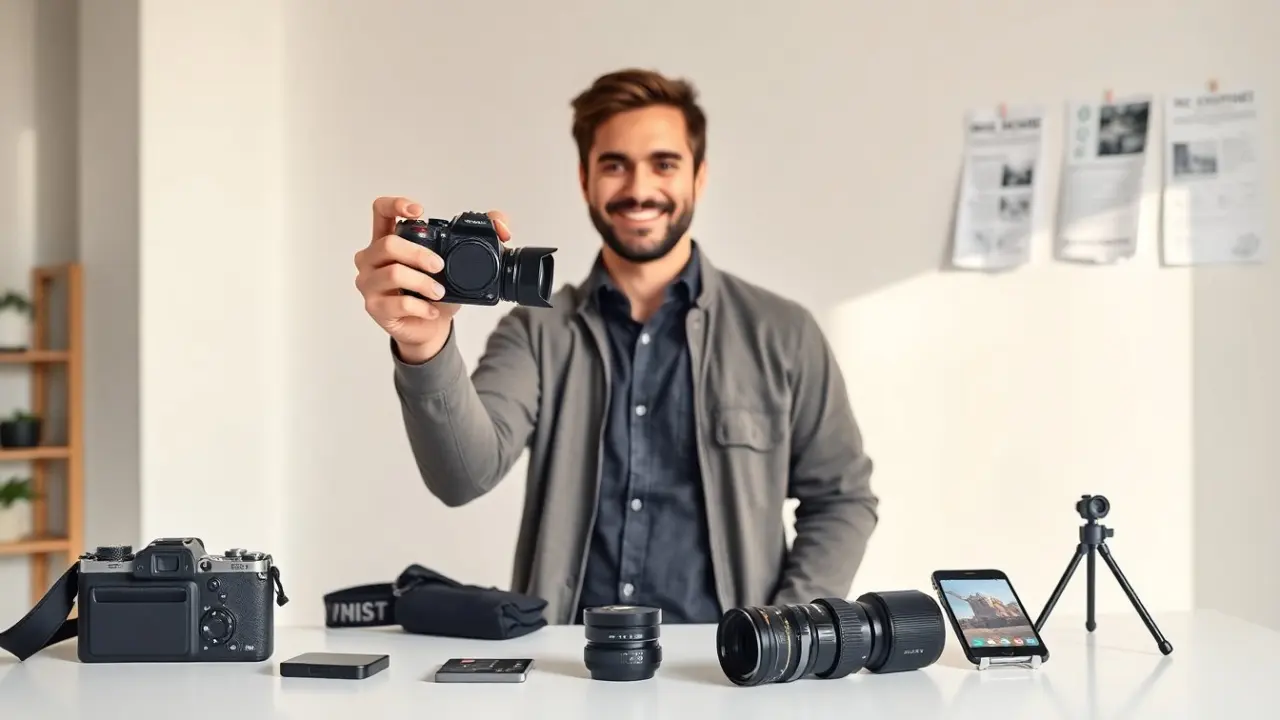
The best camera for photography beginners gives reliable images, simple controls, and room to grow. This guide lists clear features that matter and shows how to match those features to real shooting needs. It highlights top beginner cameras for 2026 and explains why each choice fits a new shooter. Readers get direct advice on picking a model, when to budget down, and which accessories to buy first. If you search for the best camera for photography beginners, use the practical checks below to compare options rather than focusing on a single name or spec sheet.
Key Takeaways
- The best camera for photography beginners offers a balance of reliable image quality, easy controls, and growth potential with versatile lens options.
- Look for beginner cameras that feature a large sensor, useful autofocus with face and eye detection, and simple menus to reduce learning friction.
- Budget cameras are ideal for beginners prioritizing cost, lightweight design, and basic features for outdoor or social photography while allowing future upgrades.
- Mirrorless beginner cameras provide compact size, modern autofocus, in-body stabilization, and video capability, making them excellent for users wanting a light, expandable kit.
- Essential beginner accessories include spare batteries, a versatile zoom or prime lens, a comfortable strap, a sturdy tripod, protective camera bag, a fast memory card, and a simple photo editing app.
What To Look For In A Beginner Camera
A beginner needs a camera that makes good images and reduces friction. Look for a sensor that captures clean photos in mixed light — full-frame, APS-C, and Micro Four Thirds each have trade-offs in size, depth of field, and low-light performance. Choose a system that has simple menus and helpful auto modes (scene selections, subject tracking, and a guided learning mode) so you can focus on composition first. Favor lenses that cover common focal lengths without high cost: a standard zoom that reaches wide-to-portrait focal lengths or a fast prime for low light and shallow depth of field.
Check battery life and weight for realistic day use — if you travel or shoot events, a lighter body and spare battery matter. Confirm the camera has useful autofocus that locks on people and eyes; look for continuous tracking for moving subjects. Prioritize a clear viewfinder or a bright, tilting touch screen for composing at odd angles. Basic manual controls (shutter, aperture, ISO) should be easily accessible so you can graduate from auto to creative shooting. Finally, consider lens ecosystem and future costs: an inexpensive body that forces expensive proprietary lenses can limit growth, while a platform with many affordable glass options will keep options open.
Best Overall Beginner Camera (2026 Pick)
The best camera for photography beginners in 2026 balances image quality, ease, and growth potential. It typically uses a moderately large sensor for good dynamic range and noise control, pairs reliable autofocus with subject and eye detection, and comes in a compact, ergonomic body that won’t intimidate new users. Useful features include a guided or novice mode, physical dials for learning manual exposure, and wireless connectivity for quick sharing and remote control. The ideal pick delivers sharp JPEGs for immediate use and solid RAW files for learning post-processing without overwhelming the photographer.
Why This Camera Works For New Photographers
This camera helps new photographers in several ways. It meters scenes and sets exposure reliably across common scenarios so learners can concentrate on framing. Its autofocus locks on faces and eyes and maintains focus on moderate action, reducing lost shots while you refine timing. Menus are designed to be discoverable, with brief explanations and easy access to key settings. Ergonomics are balanced for a comfortable grip and reachable controls, which shortens the learning curve.
The camera accepts a range of affordable lenses that cover portrait, landscape, and short telephoto needs; this matters because lens choice shapes your style as much as the camera body. Built-in stabilization or lens stabilization reduces blur in handheld shots, helping beginners produce usable images in lower light. Good wireless and app support lets you transfer images for editing or social sharing, and compatibility with common editing tools keeps the post-processing workflow manageable for learners.
Best Budget Option For Beginners
A budget camera for beginners lowers price while keeping core features. These models often use a smaller sensor or an older-generation processor to cut cost but still deliver solid JPEGs and usable RAW files. Expect a reliable autofocus system for everyday shooting, a lightweight body, and an economical kit lens that covers roughly equivalent wide-to-short-tele ranges (useful for family, travel, and street photography).
Budget options retain manual controls but favor auto modes for quick results. They are a good choice if you want to experiment with composition and exposure without a large upfront investment. Because many budget systems share lens mounts with higher-end bodies from the same brand, you can usually upgrade lenses later and retain value. Avoid budget models only when you need top-tier low-light performance or very fast continuous shooting for sports and action.
When To Choose A Budget Camera
Choose a budget camera when you want to learn basics without a large cost, when most shooting will be outdoors or casual social images, or when you need a light, easy camera for travel or family events. It’s also the right move if you want to try different focal lengths and shooting styles before committing to a specific system. Avoid a budget model if you regularly shoot in very dim conditions, need long battery life for extended sessions, or require advanced subject tracking for fast action; in those cases consider stepping up to a mid-level body or investing in a stabilized lens.
Best Mirrorless Option For Beginners
A mirrorless system gives compact size and modern focus features that benefit beginners. Mirrorless cameras usually provide fast autofocus with eye and face detection, an electronic viewfinder that previews exposure and white balance in real time, and a lighter kit when paired with small lenses. Many beginner mirrorless bodies include in-body image stabilization (IBIS) or work with stabilized lenses to improve low-light performance and handheld sharpness.
Mirrorless also tends to offer more accurate live exposure previews and better video features than entry-level DSLRs, making it a good choice if you want to shoot both stills and video. The main considerations are battery life (mirrorless bodies often need more frequent charging) and lens choices for the mount — check the available lenses and third-party options before committing. For a beginner who values portability, future-proof autofocus, and hybrid photo/video use, a mirrorless kit is often the best camera for photography beginners looking to grow into more advanced techniques.
Essential Accessories To Buy First
Buy a spare battery first — modern cameras can drain quickly when using live view, autofocus, or video. A second battery keeps a shoot from ending early. Next, choose a versatile lens: a basic zoom that covers wide to short telephoto focal lengths is ideal for learning composition, while a fast prime (a lens with a wide aperture) teaches depth-of-field control and improves low-light performance.
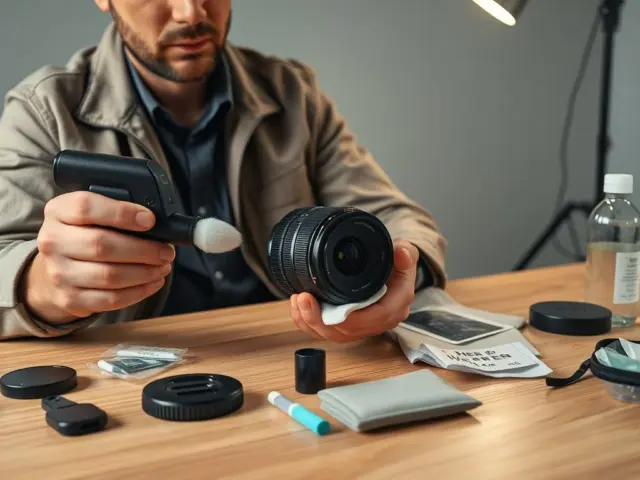
Also get a comfortable, secure camera strap to reduce drop risk and a small, sturdy tripod for low-light, landscape, and portrait work. Protect your gear with a padded camera bag that organizes body and lenses and allows quick access. Use a high-quality memory card with good write speeds to support bursts and video, and learn one simple editing app or workflow so you can process RAW files sensibly — basic exposure, white balance, and crop adjustments are enough to start. Optional: a basic cleaning kit and a lightweight remote release improve convenience and image quality as you practice.