Beginners need a clear starting point when they shop for the best underwater camera for beginners. This guide lists practical features, reliable model types, and simple advice to help you choose gear that matches your goals and budget. It explains trade-offs between compact waterproof cameras, action cameras, and mirrorless systems with housings, so readers can pick a camera that works in pools, reefs, and on light boat trips. The guide stays direct and practical: no heavy jargon, just clear steps you can apply at the store, online, or on your next snorkel. Throughout, we focus on durability, image quality, and ease of use—three things that matter most when you are just getting started.
Key Takeaways
- The best underwater camera for beginners should have simple controls, a sturdy build, and a depth rating that suits intended use, such as 10–15 meters for pools and shallow reefs or 30 meters+ for more serious snorkeling without additional housing.
- Decide between waterproof compacts for point-and-shoot convenience, action cameras for hands-free video and movement, and mirrorless systems with housings for higher image quality and room to grow.
- Prioritize image quality through sensor size and processor speed, durability with reliable seals and reinforced bodies, and ease of use with clear auto modes, bright displays, and intuitive menus.
- Budget options under $300 can be great for learning—look for splash-proof compacts or older action cameras with good third-party support; midrange ($300–$800) offers larger sensors, RAW capture, and manual controls that make learning exposure and composition easier.
- Practical on-water tips: start in auto or scene modes, use auto white balance or a simple red filter in deeper blue water, shoot wide for reefs and tighter shutter speeds (around 1/250s) for active subjects, and always rinse and inspect seals after saltwater use to extend gear life.
What Beginners Should Look For In An Underwater Camera
Beginners should seek cameras with simple controls and a sturdy build that survive bumps and wet environments. Look for cameras with automatic shooting modes and straightforward menus so you can focus on composition rather than fiddling with settings. Match the camera’s depth rating to your typical use: for pool sessions and shallow reef snorkeling a 10–15 meter rating is usually enough; for extended snorkeling or freediving you’ll want 30 meters or more, or consider a housing. Battery life matters—cameras that start quickly and hold charge through a full outing are less frustrating. Weight, grip, and ergonomics are important when you’re handling the camera in water; a textured grip or a wrist/neck strap reduces the chance of drops. Finally, review sample photos where possible to judge color rendition, sharpness, and how the camera handles contrast in bright, reflective water conditions.
Top 5 Beginner-Friendly Underwater Cameras (Compact To Mirrorless)
This list highlights five types of reliable starter cameras that beginners commonly choose. Rather than specific model names, consider these categories and their strengths to decide which fits your needs and activities.
- Rugged waterproof compact: a sealed point-and-shoot with a small sensor (commonly 1/2.3″) and built-in water resistance to 30m. Strengths: pocketable, fully sealed, easy menus and autofocus. Ideal for entry-level underwater snapshots and travel where you want low fuss.
- Large-sensor compact with optional housing: a compact body with a larger 1″ or similar sensor, improved low-light performance, and the option to add a housing for deeper dives. Strengths: better image quality for reefs and dusk, while retaining simple handling when used without housing.
- Action camera: lightweight, rugged, and built for video with wide-angle capture and strong stabilization when paired with a case. Strengths: excellent for hands-free video, capturing motion sports, and simple mounting options; many are compact enough to carry everywhere.
- Entry-level mirrorless with housing: a camera that offers a larger APS-C or micro four thirds sensor paired with a dedicated underwater housing. Strengths: higher image quality, interchangeable lenses for wide or macro work, and the ability to learn manual exposure for creative control as your skills grow.
- Basic budget point-and-shoot: an inexpensive, splash-resistant compact intended for casual beach days and pool play. Strengths: very low cost, simple interfaces, and often lightweight—good for families or as a backup camera.
How To Choose Between Waterproof Compacts, Action Cams, And Housings
Match camera type to how you plan to shoot. Choose waterproof compacts if you value simplicity, easy menus, and pocketability; they’re the least intimidating way to get started. Choose action cameras if you prioritize video, hands-free shooting, or mounting on boards or masks—these excel at motion capture and are typically very rugged. Opt for a mirrorless system plus a housing if your priority is image quality and you want a path to learn photography with manual controls and interchangeable lenses. Consider total cost (camera plus housing and lights), weight for travel, and the learning curve. If you expect to move from casual snorkeling to underwater photography, start with a compact or action cam and plan upgrades after you’ve honed basic composition and exposure understanding.
Key Features To Prioritize: Image Quality, Durability, And Ease Of Use
Image quality begins with sensor size: larger sensors typically capture cleaner images in low light and provide better color depth—helpful under water where light quickly diminishes. Processors and autofocus systems influence how well the camera responds to moving subjects and changing light. Durability is more than depth rating: look for solid seals, well-fitted port designs, and materials that resist knocks and salt corrosion. Ease of use includes bright, readable screens (or electronic viewfinders), clear iconography in menus, and reliable auto modes for when conditions change quickly. Also check battery life, spare battery options, and the availability of replacement parts and service in your region—this reduces downtime and repair headaches. Finally, consider accessories: compatibility with wet lenses, strobes, arms, or external lights will affect how far you can advance without replacing your core system.
Budget Options: Best Cameras Under $300
For beginners, affordable options under $300 are an excellent way to practice underwater composition and basic exposure without a large upfront investment. In this price range prioritize sealed compacts with at least splash resistance, or older action cameras sold with third-party waterproof cases. Look for cameras with simple menus, steady autofocus, and a decent wide-angle field of view to capture reefs and groups. Refurbished units from reputable sellers can offer good value—just confirm return policies and warranty coverage. Try to test the camera in a pool or controlled environment before committing, and always pair a budget camera with protective accessories like wrist straps, simple floatation devices, and a basic soft case to prevent accidental damage during travel.
Midrange Picks: Best Value For Learning And Growing Skills ($300–$800)
If you plan to develop your underwater photography skills, aim for the $300–$800 range where cameras often add larger sensors, RAW capture, and manual controls. These features let you learn exposure, white balance, and post-processing—key steps for improving image quality. In this bracket, look for reliable autofocus, built-in stabilization to reduce blur, and compatibility with external lights or wet lenses. Cameras with RAW support teach you how to recover color and detail from underwater shots during editing. Consider the total system cost: a modest midrange camera plus a simple housing and one light can outperform a cheap waterproof camera in low-light reef conditions. Compare real-world image samples at higher ISOs to assess noise performance, and check for local service options to keep your gear in working order as you progress.
Starter Tips For Using An Underwater Camera (Settings, Care, And Accessories)
Settings: Start in auto or a simple scene mode while you learn framing and buoyancy. Use auto white balance for quick results; switch to manual white balance or a red filter when you want truer colors at depth. For moving subjects, aim for shutter speeds around 1/250s or faster in bright conditions; for static close-ups, slower speeds are acceptable if you have steady hands or stabilization. Use wide-angle or a short focal length for reef scenes to keep close to your subject and reduce the amount of water (and therefore color loss) between lens and subject. Shoot RAW if possible—this gives more latitude to correct color and exposure later.
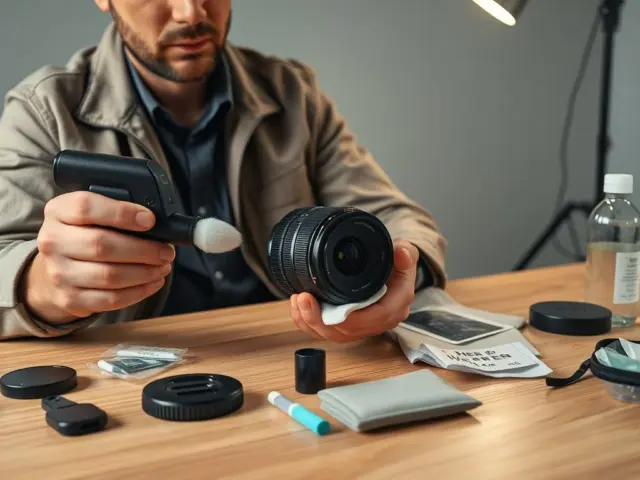
Care: Rinse your camera and housing thoroughly in fresh water after every saltwater use to remove salt, sand, and sunscreen residue. Dry seals carefully and inspect O-rings for nicks or hair before each outing—small debris is a common cause of leaks. Keep spare batteries and memory cards in a waterproof pouch, and avoid opening the housing on the beach where sand can enter. If you store a camera long-term, leave O-rings slightly loose and keep them in a cool, dry place to preserve elasticity.
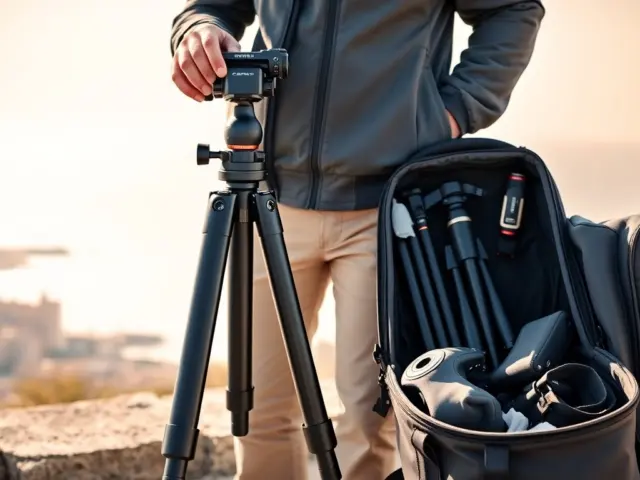
Accessories: A lightweight compact light or strobe makes a big difference in color and contrast, especially below a few meters. Floating straps and lanyards prevent loss, and a simple mask mount or pole can expand shooting options without a large investment. Wet lenses (wide or macro) extend creative possibilities: wide wet lenses let you get closer for dramatic reef scenes, while macro wet lenses help with small critters. Finally, practice on land and in a pool to build comfort with camera controls and buoyancy before heading into open water—consistent practice will yield better photos than any single gear upgrade.