Booked a shoot and unsure which of the types of portrait photography fits? Decide by control: studio portraits give the most, environmental and lifestyle portraits trade it for context, and editorial portraits serve a story.
Each style also changes your lens, aperture and lighting choices. If you are still learning exposure, start with our photography basics for beginners guide. The reference table below then turns each style into starting settings.
Main types of portrait photography
In photography, a portrait is a photograph in which the subject is a person, and Tamron notes that the model’s posing and composition are usually decided in advance. The styles separate along two lines: how much the photographer controls the scene, and how much of the surroundings stays in the frame. Studio, environmental, lifestyle and editorial portraits are the working categories. Candid portraiture sits beside them as a looser way of working.
| Style | Lens to start with | Aperture to start with | Planning use |
|---|---|---|---|
| Studio portrait | Standard lens of approximately 35 mm to 50 mm, or a telephoto of about 85 mm or more | F2 to F4 for a single subject with a blurred backdrop; F5.6 to F11 for a group | Offers the most control over lighting, background and subject position, with no rain or wind to manage |
| Environmental portrait | Wide-angle of approximately 35 mm or less | F5.6 to F11 when the setting needs to stay readable | Person and place are treated as equally important, so choose the location before the pose |
| Lifestyle portrait | Standard lens of approximately 35 mm to 50 mm | F2 to F4 to keep attention on the person | Far less formal, with less control of the scene, so set up your exposure before the moment arrives |
| Editorial portrait | Zoom lens, which covers wide-angle to telephoto | F2 to F4 to isolate, F5.6 to F11 to show more of the scene | Framing is likely to change within a shoot, so a zoom saves time |
The lens and aperture ranges come from Tamron’s portrait guide, and the control comparisons draw on Art in Context’s overview of portrait types.
Misunderstandings worth clearing up first
Most confusion about portrait styles comes from treating similar-sounding terms as interchangeable. Four mix-ups cause the most wrong choices of kit and approach.
- “Candid means unplanned.” Candid portraiture photographs people behaving naturally or living their life uninterrupted. That is a different method from a standard portrait, where Tamron says posing and composition are usually settled beforehand. The skill in candid work lies in anticipation and unobtrusive handling, not in having no plan.
- “Environmental and lifestyle portraits are the same.” An environmental portrait documents a subject in their environment, and the person and place count as equally important. A lifestyle portrait captures people in their familiar environment while performing daily tasks, and the emphasis stays on the person and the moment.
- “You need an 85mm lens.” A telephoto lens of about 85 mm or more can be used for portraits, but Tamron recommends standard lenses of approximately 35 mm to 50 mm for beginners. A longer lens is an option, not a requirement.
- “The widest aperture is always best.” A setting close to maximum aperture, such as F2 to F4, gives background blur. With several people in the frame, or when you want more of the picture sharp, Tamron advises stopping down to between F5.6 and F11.
Studio portraits
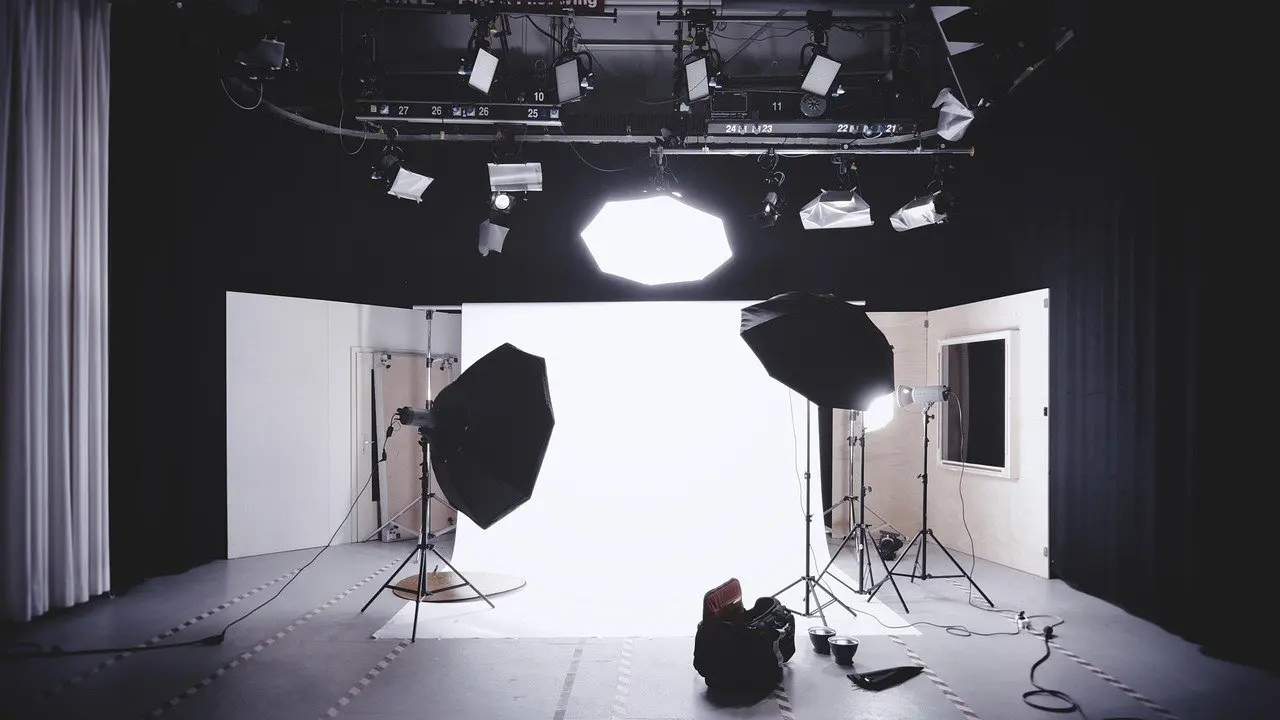
A studio portrait usually seats the subject, facing the camera, in front of a predetermined backdrop. Art in Context describes control as the main advantage: the photographer decides the lighting, background and subject position, and weather never interferes. The trade-offs are the cost of owning a studio space and the limits of working in a confined room.
Lighting a studio portrait
Tamron identifies three main light directions: forward light, backlight and side light. Each gives a studio setup you can build around a single softbox:
- Forward light. Place the softbox in front of the subject so the light hits the face from the front. This clearly captures facial expressions, which suits headshots and any portrait where expression carries the picture.
- Side light. Move the softbox to the side of the subject. Light from the side emphasises three-dimensionality and shadows, so it suits portraits meant to show form and mood.
- Backlight. Put the light behind the subject. It is the third direction and gives a different look from the other two, so treat it as a deliberate effect rather than a default.
Switching between forward and side light with the same subject and backdrop is the quickest way to see how direction changes a face.
Where an 85mm lens fits
An 85mm lens falls within the telephoto range Tamron describes as about 85 mm or more. It is a good fit when the studio gives you room to stand back. In a small room, check your working distance before committing to a long lens, because a standard 35 mm to 50 mm lens needs less space.
Environmental portraits
Environmental portraiture is used to document a subject in their environment, and a craftsman in their workshop is a typical example. The workshop is not a backdrop here. Tools, bench and light tell the viewer who the person is, so the location matters as much as the pose.
That shapes your gear. Tamron says a wide-angle lens of approximately 35 mm or less is suitable when the surroundings belong in the frame, and stopping down to between F5.6 and F11 keeps more of the setting sharp. A wide-open aperture would melt the workshop into blur and defeat the purpose of the style. Visit the location first and decide which parts of it say something about the person, then build the frame around them.
Lifestyle and candid portraits
Lifestyle portraiture is far less formal than the more traditional portrait types, and the photographer’s cost is a lack of overall control of the scene. That is why this style rewards preparation over improvisation: settle your exposure before the person starts moving through their routine.
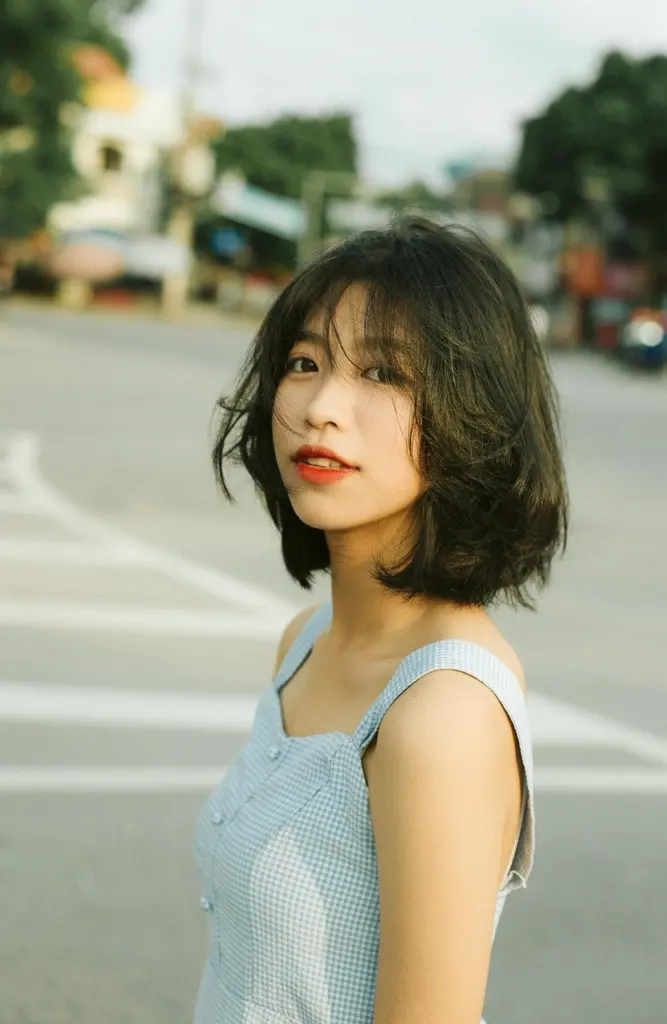
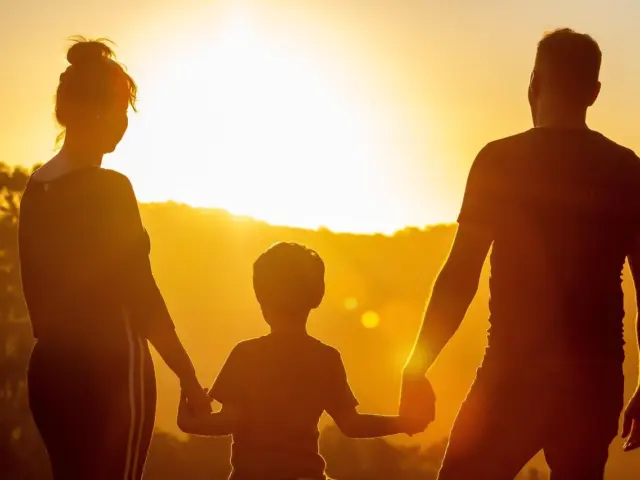
For sunny outdoor work, Tamron suggests a low ISO sensitivity, which provides sufficient brightness. A standard lens of approximately 35 mm to 50 mm keeps you close enough to the action without crowding the person. Family sessions rely heavily on this relaxed approach, and 30 Creative Family Photoshoot Ideas To Capture Real Moments (2026 Guide) shows how to plan for it.
Editorial portraits
Editorial photography aims to tell a story, whereas commercial photography is trying to sell a brand. It is usually found in magazines, newspapers and other non-fiction publications. A portrait in this style is therefore judged on whether it carries an idea about the person, not only on whether it flatters them.
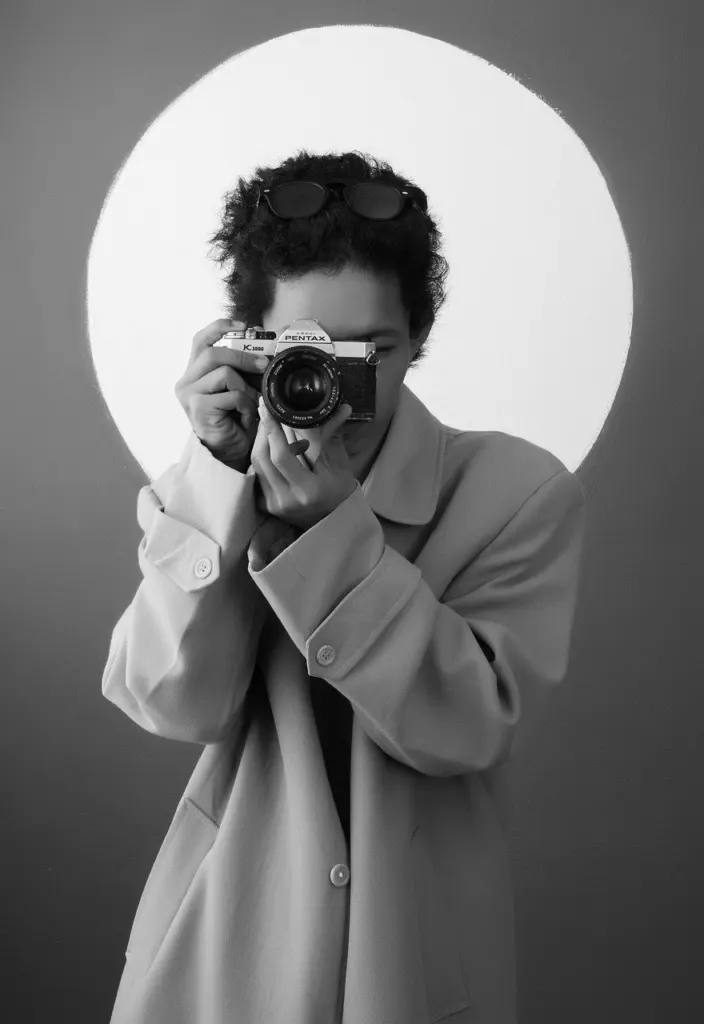
Because the framing may move from wide scene-setters to tighter faces within the same shoot, a zoom lens is a practical choice. Tamron points out that a zoom covers a wide range of focal lengths from wide-angle to telephoto. Backdrops, wardrobe and pose should all serve the story, so decide the idea before you decide the lighting.
Choosing your first portrait style
For a beginner, the best starting style is the one whose weakness you can manage. Studio work gives the most control but costs money and space. Lifestyle work is cheap to start but hard to control. If you can arrange a plain backdrop, studio-style work teaches lighting direction with the fewest variables. If you cannot, begin with an environmental portrait of someone in a place that matters to them, since the location is part of the picture and nothing needs to be built.
Whichever you choose, Tamron’s beginner advice is consistent: use a standard lens of approximately 35 mm to 50 mm, and aperture priority mode, where you choose the aperture and the camera sets the shutter speed automatically. That lets you concentrate on light and expression while the camera handles the rest.
Frequently asked questions
| Question | Answer |
|---|---|
| Should I use a zoom or a single focal length lens for portraits? | Both work. A zoom covers wide-angle to telephoto, while many single focal length lenses have a small f-number that makes background blur easy to achieve. With a single focal length lens you move your feet instead of zooming, as Tamron explains. |
| What shutter speed suits a slightly moving subject? | Generally, 1/60 sec to 1/250 sec makes it easier to capture slightly moving subjects, depending on the focal length and lens, according to Tamron. |
| What ISO should I use on a cloudy day or indoors? | A higher sensitivity such as ISO 1600 to ISO 3200 makes brighter pictures easier, but a higher ISO also increases noise, so raise it only as far as the light requires. |