The best cheap camera for photography beginners offers features that help them learn fast. The best cheap camera for photography beginners should have a good sensor, simple controls, and clear autofocus. The best cheap camera for photography beginners must stay in a small budget while still giving room to grow. This guide lists three reliable picks and shows how to choose between them. It also explains common trade-offs, how to test a used body, and which accessories deliver the biggest benefits early on.
Key Takeaways
- The best cheap camera for photography beginners should feature a good APS-C sensor, simple controls, and reliable autofocus to facilitate fast learning.
- Canon EOS Rebel T7, Nikon D3500, and Sony Alpha a6000 are top affordable options that balance price with essential beginner-friendly features and lens upgrade potential.
- Choosing a camera depends on your photography goals—consider weight and lens options for travel, sensor size for portraits, and autofocus speed for video.
- Buying used or certified refurbished cameras can offer better value, but always check shutter counts and test autofocus before purchase.
- Prioritize ergonomics, lens mount longevity, and ease of use to ensure the camera supports skill growth over time.
- Invest in essential accessories like a quality SD card, spare battery, basic tripod, and a prime lens to enhance your photography experience.
3 Best Cheap Cameras For Photography Beginners (Quick Buying Guide)
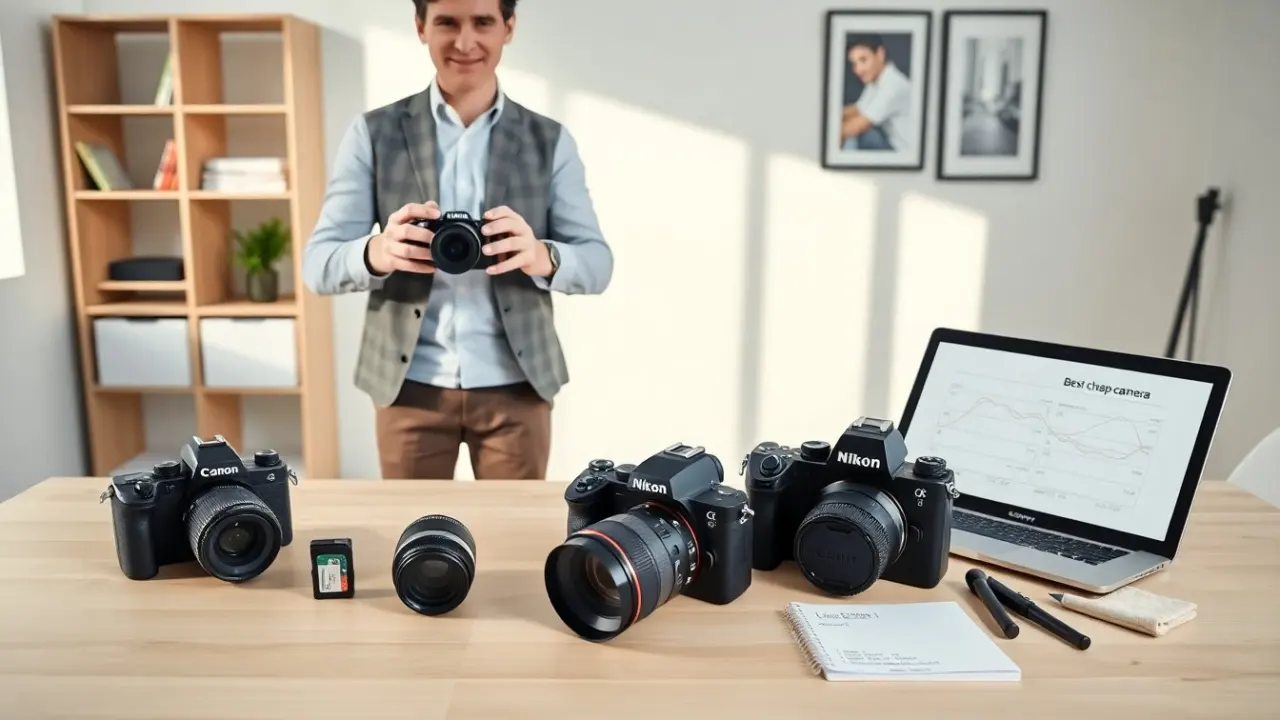
Canon EOS Rebel T7 / EOS 2000D, The Canon EOS Rebel T7 is a solid entry DSLR. The sensor gives clear photos in good light. The menu reads plainly and the grip fits most hands. The lens selection lets the photographer add a prime or a zoom later. The Rebel T7 often appears at low prices new and used. Many find the Rebel T7 a reliable first step. For beginners who prefer an optical viewfinder and tactile controls, this model often feels comfortable and straightforward.
Nikon D3500, The Nikon D3500 aims for simplicity and image quality. The D3500 has long battery life. The autofocus works well for still subjects and casual action. The camera has an easy guide mode that teaches while in use. The lens mount offers many affordable lenses, so the beginner can grow without replacing the camera. Its light weight makes it a good pick for travel-focused beginners who value long shooting sessions without frequent recharging.
Sony Alpha a6000, The Sony Alpha a6000 is a mirrorless choice that stays budget friendly. The a6000 has fast autofocus and a compact body. The electronic viewfinder helps compose shots in bright light. The lens ecosystem includes compact primes and zooms at various prices. The a6000 gives features that many beginners keep using as they improve. Mirrorless benefits like live exposure preview and smaller bodies make the a6000 a strong contender for those who prioritize portability and modern autofocus performance.
Why these three? The Canon Rebel T7, Nikon D3500, and Sony a6000 balance price and core features that beginners need. Each model gives room to learn exposure, framing, and lens choice. Each model appears often in used markets. Each model also supports common accessories and entry lenses. A beginner can pick one based on hand feel, preferred controls, and future lens plans. Below are quick pros and cons to help match each camera to a typical beginner profile:
- Canon Rebel T7 — Pros: easy menus, optical viewfinder, wide used-lens availability. Cons: older autofocus system and fewer advanced video features.
- Nikon D3500 — Pros: excellent battery life, beginner-friendly guide mode, solid image quality. Cons: limited touchscreen/advanced connectivity on some versions.
- Sony a6000 — Pros: fast hybrid autofocus, compact size, EVF with live exposure preview. Cons: shorter battery life than DSLRs and a different handling feel.
Price range and availability, Prices vary by region and stock. The used market often yields the best deals for the best cheap camera for photography beginners. Certified refurbished units often include a short warranty. A buyer should compare final kit price, not just body price, before choosing. Common buying approaches include:
- Buy a kit with an 18–55mm zoom to start shooting right away, then add a 50mm f/1.8 prime for portraits and low-light practice.
- Buy body-only if you already have compatible lenses or plan to prioritize a specific prime from the start.
- Consider certified refurbished for a balance of lower cost and warranty protection.
How To Choose The Right Budget Camera For Your Goals
The choice of the best cheap camera for photography beginners depends on the goals the person sets. If the beginner wants travel photos, light weight and compact lenses matter. If the beginner wants portraits, lens options and sensor size matter. If the beginner wants video, autofocus in live view and microphone input matter. The buyer should match the camera to the likely shooting style. Below are practical steps to turn those goals into a camera choice.
Key Features To Prioritize: Sensor, Lens Options, Autofocus And Ergonomics
Sensor size and image quality, The sensor size shapes depth of field and low-light performance. APS-C sensors give better image quality than most small-sensor compacts at the same price. A larger sensor also makes background blur easier with affordable lenses. The buyer should favor an APS-C body if possible. That said, understand that sensor size is only one part of overall image quality—lens quality and technique matter a great deal too.
Lens options and mount longevity, The lens mount determines future choices. Canon EF/EF-S, Nikon F, and Sony E mounts offer many low-cost lenses. A beginner should pick a mount with secondhand lenses available. That step keeps future upgrades affordable. When choosing, consider which focal lengths you will use most: primes like 35mm or 50mm for portraits and street, a standard zoom for everyday shooting, and a telephoto for wildlife or sports.
Autofocus and shooting speed, Autofocus speed matters for moving subjects. Phase-detect or hybrid AF systems react faster. The best cheap camera for photography beginners should not lag behind when the subject moves. A model with reliable single-point AF helps make sharp images more often. For those planning to shoot video, look for continuous AF performance and clear face/eye tracking where available.
Ergonomics and controls, The camera should feel stable in the hand. Buttons should sit where the person can reach them without hunting. A simple menu aids learning. A clear viewfinder or a responsive EVF helps when light grows bright. Try holding cameras in a store or at a friend’s gear to test grip and button layout before buying; comfort during long shoots is often overlooked but crucial.
Buying Tips: New Vs. Used, Where To Save And Essential Accessories
New vs. used, A used camera can offer higher quality at a lower price. The buyer should inspect shutter counts and test autofocus before purchase. Certified refurbished units provide a middle ground with warranty. When buying used, ask if the seller will demonstrate the camera focusing on moving subjects, shooting at different ISOs, and display a clean sensor (no obvious dust spots in images).
Where to save, The buyer can save on bundled kits by choosing a body-only or a smaller kit lens. Third-party lenses can reduce cost while keeping quality. Older model bodies often drop in price when manufacturers release newer models. Prioritize investing money in a good prime lens if you must choose where to spend: a sharp 50mm-equivalent prime often improves learning outcomes more than a slightly better camera body.
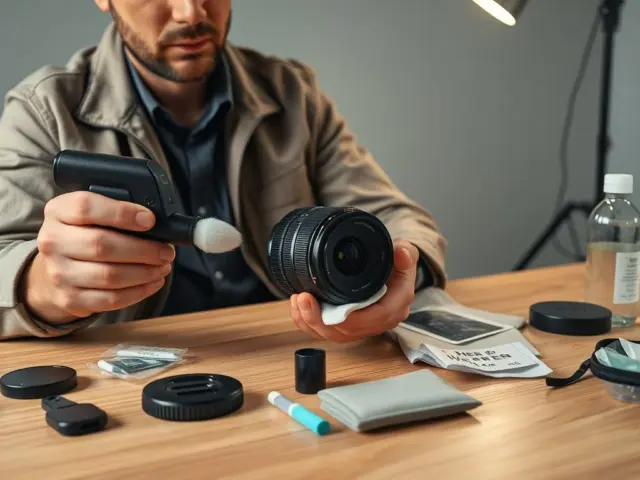
Essential accessories, A sturdy SD card and a spare battery add immediate value. A basic kit should include a lightweight tripod and a simple camera bag. A 50mm f/1.8 lens or an equivalent prime gives better low-light shots than kit zooms. A circular polarizer and a microfiber cloth help maintain image quality. Other helpful items:
- Extra battery: DSLRs and mirrorless bodies can run out quickly during long outings or video work.
- Memory cards: fast UHS-I cards for burst shooting and video stability (match card speed to camera capability).
- Basic tripod: useful for low-light, long exposures, and learning composition.
- Lens cleaning kit: keep optics dust- and smudge-free for the sharpest results.
Final decision factors, The best cheap camera for photography beginners comes down to balance. The buyer should weigh image quality, lens path, and how the camera feels in hand. The decision should prioritize steady learning and a clear path to better lenses or features. After purchase, focus on practicing composition, exposure basics, and simple editing—these skills improve images more than chasing marginal hardware gains.