The best drone with camera for beginners gives clear video, simple controls, and safe flight features. This guide lists top beginner picks, explains the features that matter, and shows how to set up and fly safely. It helps a new pilot compare models, avoid common mistakes, and start confident flights within the first session.
Key Takeaways
- The best drone with camera for beginners offers clear video, easy controls, and essential safety features like GPS and return-to-home.
- Choose a beginner drone by comparing camera resolution (at least 2.7K), sensor size, stabilization, weight under 250 grams, and battery life.
- Top beginner drones include models like DJI Mini 3 Pro for quality footage and Ryze Tello for affordable, safe practice sessions.
- Before flying, update firmware, calibrate sensors, choose a safe open area, and practice basic maneuvers including takeoff and emergency stops.
- Maintain your drone by inspecting props, keeping firmware updated, and storing batteries properly to ensure safe and consistent flights.
- Respect legal requirements by registering your drone if needed, following no-fly zones, and respecting privacy during all flights.
Top Beginner Camera Drones: Shortlist And Who Each Is Best For
DJI Mini 3 Pro, This model gives high-quality video and long battery life. It has LED safety lights and obstacle sensors. It suits a pilot who wants pro-level footage without heavy rules. The drone stays under many weight limits. The buyer gets a light craft that packs small and flies stable.
DJI Mini 2 SE, This model gives reliable performance at a lower price. It has a good camera and simple controls. It fits a person who wants easy setup and short learning curves. The Mini 2 SE handles wind well and records usable 2.7K footage.
Autel EVO Nano+, This model gives good sensors and a bright camera for daylight shots. It suits a photographer who values color and detail. It includes smart flight modes for steady clips and simple framing.
Ryze Tello, This model gives a low cost and safe introduction to flying. It lacks advanced sensors, but it teaches control basics. It works well for indoor practice and short outdoor flights on calm days.
Holy Stone HS720E, This model gives long flight time and an electronic image stabilizer. It suits a hobbyist who wants long flights and steady video. The HS720E has dual GPS and return-to-home functions for added safety.
How to use this shortlist: Compare camera specs, weight, and safety features. Choose a model that matches the pilot’s budget and goals. Beginners who plan to film trips should favor higher camera specs. Beginners who want to learn flight basics should favor low-cost, forgiving models.
How To Choose The Right Beginner Drone Camera: Key Features To Compare
Camera resolution and sensor size matter. A larger sensor captures more light and cleaner footage. A 1/1.3″ or 1/2.3″ sensor gives better quality than a small toy sensor. Resolution affects crop and editing. Choose at least 2.7K for casual video and 4K for more flexibility.
Gimbal and stabilization matter. A three-axis gimbal keeps video steady. Electronic image stabilization helps on cheaper drones. Stable footage reduces editing time and improves viewer experience.
Weight and legal limits matter. Many jurisdictions exempt drones under 250 grams from some rules. Lightweight drones reduce paperwork and make travel easier. Check local laws before purchase.
Battery life and spare batteries matter. Flight times vary from 12 to 40 minutes per battery. Pilots should plan for 20–40 minutes of total flight time per outing. Buying extra batteries extends productive flight time.
Safety features matter. GPS, return-to-home, and obstacle detection reduce crash risk. Beginner pilots should pick drones with these features. Automatic return helps when signal drops.
Controller and app ease matter. A responsive controller and clear app make learning faster. Check for firmware updates and community support. Good app design shortens the learning curve.
Price and upgrade path matter. Start with a low-cost model if budget limits exist. Choose a brand with accessories and support. Buying a slightly better model can save money later if the pilot plans to grow skills.
Buying, Setup, Safety, And First-Flight Tips For New Drone Pilots
Before buying, read user reviews and watch sample footage. The buyer should inspect image samples under similar light. The buyer should check actual flight tests for wind resistance.
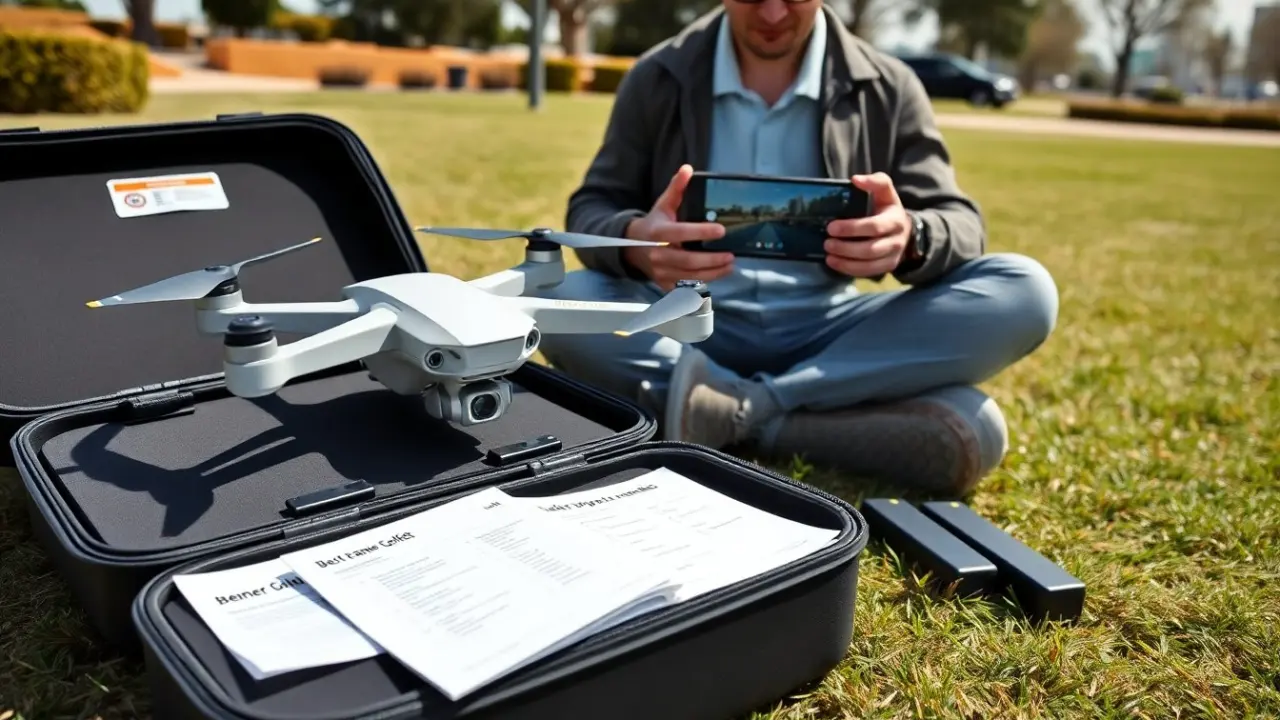
After unboxing, update firmware. The pilot should charge batteries fully and update the controller app. The pilot should register the drone if local rules require registration.
Setup checks matter. The pilot should calibrate the compass and check GPS lock before lift-off. The pilot should verify props are tight and the gimbal moves freely. The pilot should set return-to-home altitude higher than local obstacles.
Choose a practice location. The pilot should pick an open field with few people and low wind. The pilot should avoid airports and crowded areas. The pilot should fly within line of sight and below local altitude limits.
Start with basic maneuvers. The pilot should practice takeoff, hover, and slow forward flight. The pilot should practice gentle turns and altitude changes. The pilot should test return-to-home and emergency stop features.
Record safely. The pilot should set camera to a stable profile and record short clips. The pilot should review footage after each flight and adjust camera exposure. The pilot should avoid rapid tilts and jerky movements.
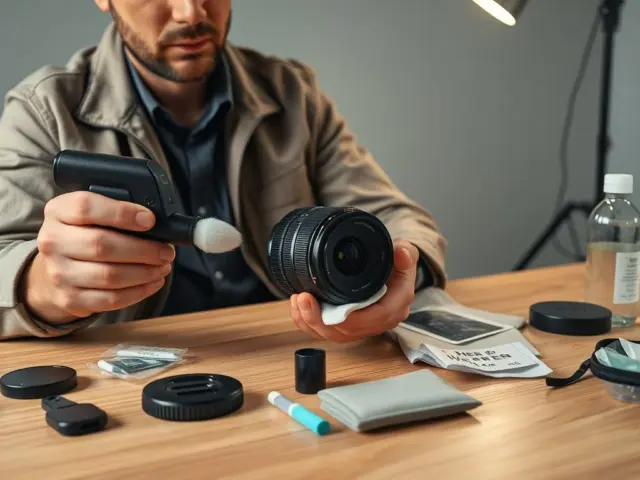
Maintain the drone. The pilot should inspect props for chips and cracks after each flight. The pilot should keep firmware current and store batteries in a cool, dry place. The pilot should log flight hours and service parts as needed.
Stay legal and courteous. The pilot should respect privacy and avoid flying over private property without permission. The pilot should follow local no-fly zones and night flying rules. The pilot should carry ID and registration if required.
Troubleshoot common issues. If a drone drifts, the pilot should recalibrate sensors and check GPS. If video drops, the pilot should rebind the controller and move to a clearer area. If a battery heats, the pilot should stop using it and dispose of it per manufacturer guidance.