| Factor | Full frame | APS-C crop sensor | Planning use |
|---|---|---|---|
| Sensor size | approx. 36mm x 24mm | around 22mm x 15mm (Canon: 22.2 x 14.8mm) | APS-C dimensions vary slightly by maker, so check the exact figures for the body you are considering. |
| Framing with a 50mm lens | Field of view of 50mm | 1.6 crop: behaves like 80mm; 1.5 crop: about 75mm | Apply the crop factor when you compare focal lengths between systems. |
| Background blur | Stronger blur | Deeper depth of field at the same focal length and aperture | Full frame suits subject separation. APS-C suits scenes where you want more in focus. |
| Dynamic range | Wider | Narrower than full frame | Contrasty scenes favour full frame. |
| Low light | Larger pixels at the same pixel count capture more light | Gap narrowing as sensor technology and noise reduction improve | Dim-venue shooters lean full frame. Occasional low-light use may not justify it. |
These comparisons draw on Venture Beyond the Picture’s full-frame vs crop sensor guide and Cupix’s crop vs full-frame explainer.
Crop sensor vs full frame is a choice about blur, dynamic range and framing, not a simple upgrade: full frame wins on the first two, while the APS-C sensor’s narrower field of view gives lenses extra apparent reach.
If you are still choosing a first body, start with our best camera for beginners advice in the buying guide, then use the decisions below to settle on a sensor format.
Choosing by genre and budget
Full frame is worth it when your pictures depend on background separation, wide dynamic range or clean low-light files. Otherwise an APS-C body covers the job. The lists below turn the differences into decisions.
Choose full frame when
- Portraits are your main work. Full-frame sensors create stronger background blur, which isolates a subject more easily at a given aperture.
- You photograph high-contrast scenes. Full-frame sensors offer a wider dynamic range than crop sensor cameras, so they hold more detail across bright and dark areas in a single exposure.
- You often shoot in dim light. Larger pixels gather more light, so full frame is the safer pick for indoor events and evening work.
Choose APS-C when
- You photograph distant subjects. The narrower field of view means a lens behaves like a longer one. With a common 1.6 crop factor, a 50mm lens behaves like an 80mm lens, which helps with wildlife and sport.
- You want more in focus. The same focal length and aperture gives a deeper depth of field, which suits landscapes, documentary work and quick-moving scenes where precise focus placement is hard.
- Your light is usually good. Advances in sensor technology and noise reduction are narrowing the low-light gap, so a recent crop body may be enough if you rarely shoot in dim conditions.
Budget and beginners
Price the whole kit, not just the body, because the lenses you add will keep you in one mount. A body that looks affordable can become expensive once you add the lenses your genre needs. Newcomers weighing specific models can compare options in Best Camera For Photography Beginners: The 2026 Buyer’s Guide To Start Shooting Confidently. If your finished images will be shown on a screen at home, Big Moments, Bigger Display: The Ultimate Guide To Choosing A Large Digital Photo Frame In 2026 covers how to choose a large digital photo frame.
How sensor size changes blur, dynamic range and noise
The larger sensor has three consequences that matter in practice, and each follows from the same physical difference in size.
Depth of field
At the same focal length and aperture, an APS-C camera produces a deeper depth of field than a full-frame camera, according to Venture Beyond the Picture. The same guide says full-frame sensors create stronger background blur. Matching the blur look on a crop body therefore takes a wider aperture or a different focal length.
Dynamic range
The same comparison notes that full-frame sensors offer a wider dynamic range than crop sensor cameras. In practice that means more detail retained in both highlights and shadows before you reach for any workaround. The difference matters most in scenes with strong contrast.
Low light
Full-frame sensors allow larger individual pixels at the same pixel count, and larger pixels can capture more light. That is the main reason full frame is expected to do better in low light. The advantage is real but shrinking, since sensor technology and noise reduction algorithms are bridging the gap. Compare current bodies directly rather than assuming the older rule of thumb.
Sensor dimensions and aspect ratio
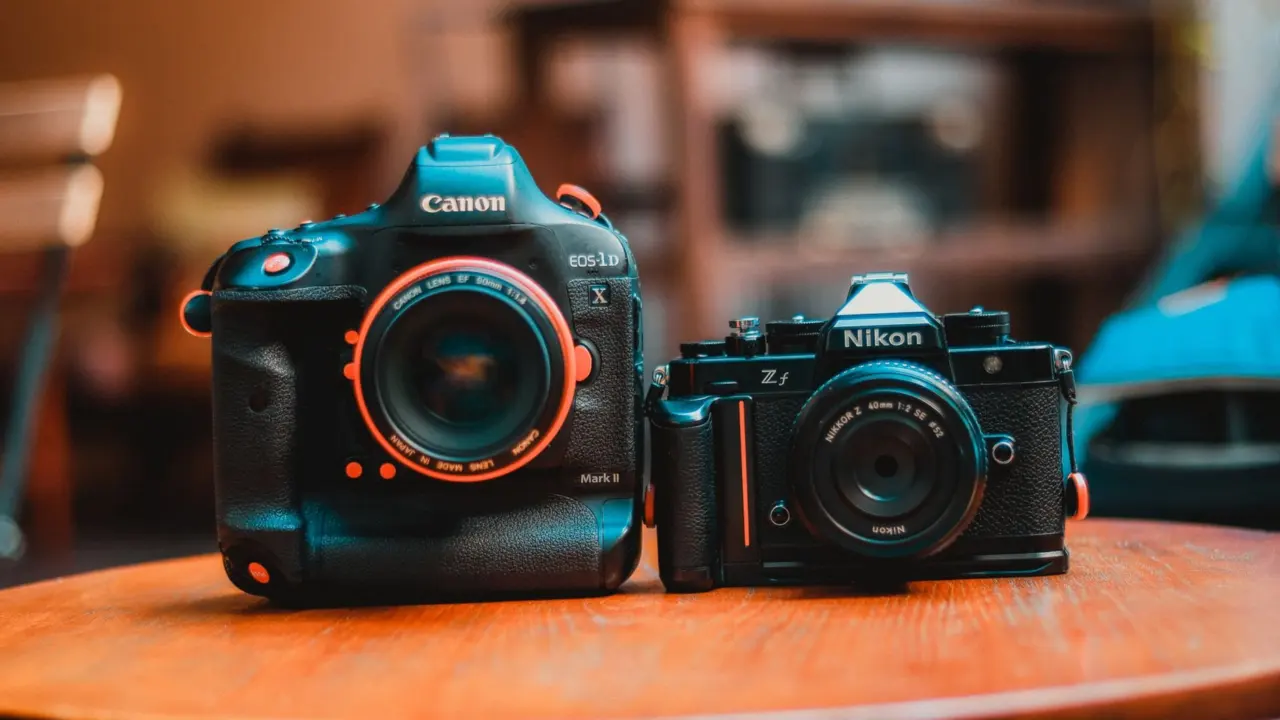
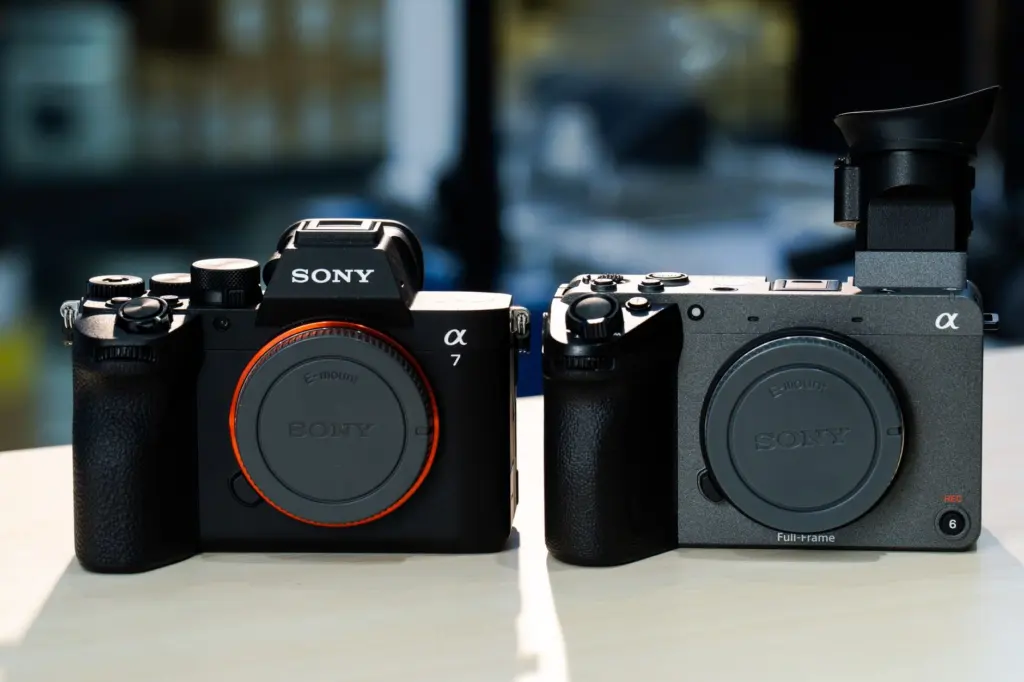
A full-frame sensor measures approximately 36mm x 24mm, and its 2:3 aspect ratio is described by Cupix. APS-C dimensions typically range around 22mm x 15mm, with Canon measuring 22.2 x 14.8mm, according to Venture Beyond the Picture. Because the dimensions differ slightly between makers, the crop factor differs too. Canon’s older Rebel XTi, for example, had a 1.6x APS-C sensor.
Crop factor and field of view
Crop factor describes how much narrower the view is on a smaller sensor when the same lens is used. A 50mm lens on a full-frame sensor camera will have a field of view of 50mm. On a camera with a common 1.6 crop factor it behaves like an 80mm lens. With a 1.5 crop factor, 50mm x 1.5 gives about 75mm, as Cupix sets out.
The consequence runs both ways. Telephoto work gets closer framing from the same lens. Wide-angle work loses width, so a landscape or interior photographer on APS-C needs a shorter focal length to match a full-frame view.
Lenses for each sensor
Match the lens to the sensor it was designed for. On full frame, a lens’s stated focal length is its field of view, so no conversion is needed. On APS-C, the crop factor applies to every lens. One Canon shooter on the RF Shooters forum describes using RF lenses with the 1.6 multiplier in mind and sees little point in putting a full-frame lens on a crop body unless no crop-specific equivalent exists. That is one photographer’s opinion, but it fits the logic of buying lenses sized for the sensor you own.
- Full-frame body. Buy lenses at their stated focal lengths and plan your wide and standard range directly.
- APS-C body. Mentally multiply focal lengths by the crop factor, and prefer lenses made for your system when they cover the focal length you need.
Frequently asked questions
Is full frame worth it?
It depends on your subjects. It pays off for portraits with strong background blur, contrasty scenes and regular dim-light shooting. For casual or reach-driven work, APS-C is often sufficient.
Does full frame always mean higher resolution?
No. Crop and full-frame cameras often offer similar resolutions, so the advantage lies in light gathering, dynamic range and blur rather than pixel count.
How can I handle high-contrast scenes on a crop sensor?
Because crop sensors have a narrower dynamic range, you might need techniques such as HDR imaging, filters or multiple exposures to capture detail in bright and dark areas.