| Item | Typical figure | Planning use |
|---|---|---|
| Real estate aerial job | $200–$400 per project; simple jobs $200–$500 per job | Anchor a first rate card here for simple shoots, then price larger scope separately |
| FAA Part 107 exam | $175 per attempt | Treat as an entry fee; a failed attempt means paying again |
| Liability insurance | $450–$1,200 per year for $1M coverage (market and limits vary) | Collect quotes before pricing jobs, because it recurs every year |
| Hull insurance | 6–10% of insured equipment value per year (optional) | Price it once the kit is worth protecting |
| Entry photo/video drone | $900–$2,500 | The main purchase decision for a first kit |
| All-in launch cost | $2,500–$10,000 | Set the reserve before you buy anything |
Figures come from the UAV Coach drone business guide and the Drone Pilot Ground School business guide.
A drone photography business needs an FAA Part 107 certificate for paid work, liability insurance and a rate card tied to local clients such as real estate agents. Gear is only part of the startup bill; certification, insurance and software add to it.
Aerial capture is one strand of the wider imaging field covered under ai in photography, but the business decisions below are practical ones: what to charge, what to insure, what to buy and who to approach first.
Pricing decisions for real estate and other aerial work
Real estate is the clearest niche for a first rate card. UAV Coach reports that drone pilots in this niche can charge between $200 and $400 per project, and that simple aerial photography gigs for real estate might pay $200 to $500 per job. Those figures describe simple shoots. A package that adds video or extra deliverables needs its own price rather than a stretched version of the basic one.
Per-job fees, set against insurance and software billed annually, mean the business depends on repeat bookings rather than a few large jobs. That shapes how you price:
- Keep the rate card short. A simple card with a few clearly described packages is easier to quote from and easier for an agent to say yes to.
- Price travel and editing time explicitly. A cheap job that needs a long drive or heavy editing can cost more to deliver than it earns, so state what the fee includes.
- Price non-property work on scope. Trade press names real estate, sports media, cinematography and construction monitoring as applications. Quote those jobs from the time, risk and deliverables involved, not from the real estate band.
Licensing, insurance and entity decisions
Yes, a license is needed to sell drone photos in the U.S.: you must hold an FAA Part 107 Remote Pilot Certificate to fly commercially, and UAV Coach likewise advises that any pilot doing paid work should have one. The exam costs $175 per attempt. Commercial UAV News adds that there is a checklist of training and certifications to complete to provide the necessary credibility, so the certificate is both a legal step and a sales asset.
Insurance is the larger recurring decision. The guides give these budgets:
- Liability cover. Drone Pilot Ground School puts $1M coverage at $450–$1,200 per year, with market and limits varying. UAV Coach budgets $500–$1,000 annually for a lean start and $1,000–$2,000 annually in a medium tier with higher coverage limits.
- Hull cover. This protects the aircraft and is priced at 6–10% of insured equipment value per year. It is described as optional but recommended, so it suits you more as your kit gets more expensive.
- Client expectations. Established services such as Flyguys advertise FAA-certified and fully insured pilots. Expect commercial clients to compare you against that promise.
A practical legal checklist for the first month is therefore short: pass the Part 107 exam, obtain liability quotes at the limit your clients expect, decide whether hull cover is worth its yearly percentage, and confirm the rules for each site before you fly.
Choosing a drone and budgeting the kit
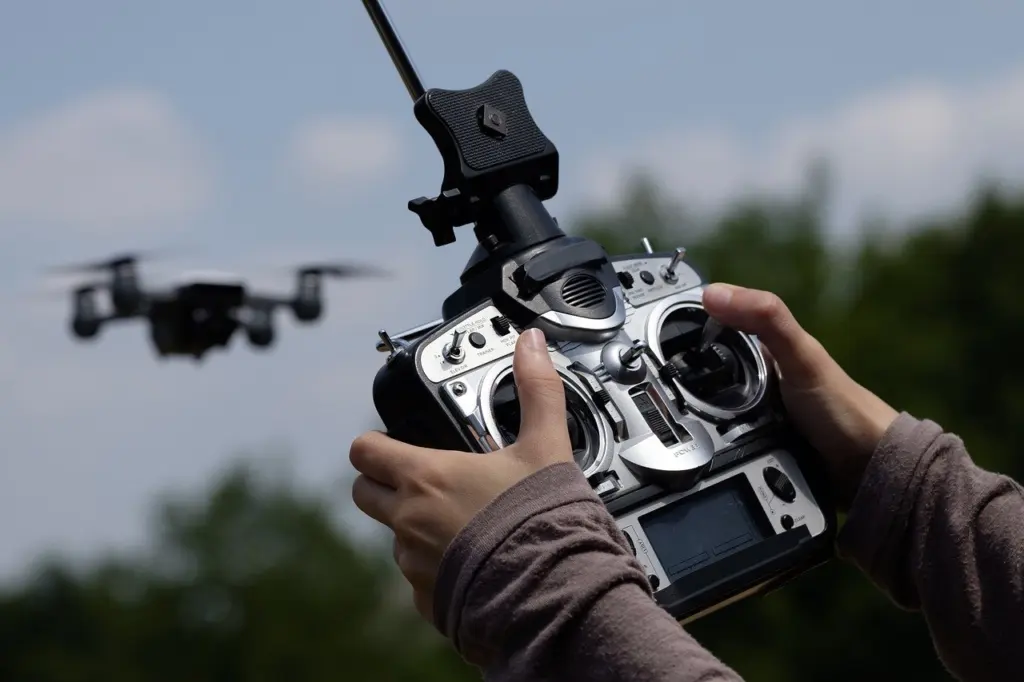
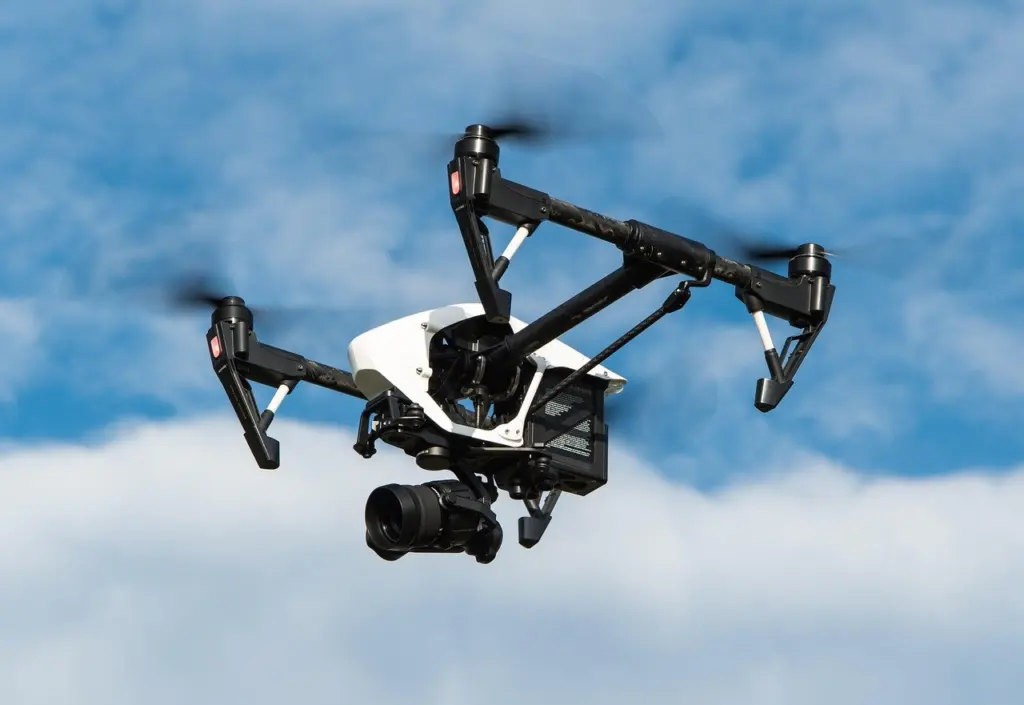
The best drone for a photography business is the one that matches the work you can actually book, and for a first kit that usually means the entry photo/video tier. Drone Pilot Ground School puts entry photo/video drones at $900–$2,500, and UAV Coach budgets $1,000–$2,000 for hardware in a lean start. UAV Coach names the DJI Phantom 4 Pro and Autel EVO II as mid-range examples, which is the tier to consider once clients ask for more than simple property shots.
Do not stop at the aircraft. Accessories make up a separate line:
- Batteries, ND filters, chargers, props and hard cases. Budget $300–$1,200, according to Drone Pilot Ground School. Spare batteries and props are what keep a booked shoot from being cancelled.
- Software. UAV Coach’s lean tier allows $200–$500 per year for flight planning and editing.
- Whole-business reserve. The same school says most pilots spend around $2,500–$10,000 to launch a drone photography business. Use the low end if you buy an entry drone and few extras, and plan toward the high end if you want mid-range hardware and fuller cover.
Winning the first clients
Finding drone photography clients starts with a local, paid portfolio and a simple rate card, as Drone Pilot Ground School advises. Typical clients it lists are real estate agents, builders, wedding planners, tourism boards and small businesses. Real estate agents are the most direct fit for a new pilot because the product, a set of aerial photos for one listing, is easy to describe and price.
The online argument for aerial imagery supports your pitch. A drone vendor cites the National Association of Realtors figure that 90% of home buyers find their property information online, and says agents with compelling imagery are rewarded with more leads, faster sales and future listings. That is a vendor’s claim, so use it as a talking point rather than a guarantee in your quotes.
- Start with agents and builders. They book repeatedly, which suits per-job fees.
- Show local, paid examples. A handful of finished jobs with clear deliverables beats a large gallery of unrelated aerial shots.
- Put the rate card on your site. A website and domain cost roughly $100–$400 initially, covering domain, hosting and theme or plugins.
Once bookings start, shot quality becomes the retention tool, and Drone Photography Tips: Capture Epic Aerial Shots Every Time (2026 Guide) covers the flying and composition side.
Why the economics work this way
The business has two kinds of cost, and they pull in different directions. The exam, the drone and the accessory kit are largely upfront. Insurance, software and maintenance recur each year. Profit therefore depends on whether your per-job fees, multiplied by the jobs you actually win, cover the recurring costs before the upfront spend is recovered.
That explains the advice above. A lean kit lowers the amount you must recover. A short rate card makes quoting faster. Local repeat clients make the yearly costs predictable, and the Part 107 certificate removes the legal risk of earning from flights you were not authorised to sell.
A repeatable workflow protects those margins: confirm what the client needs, fly the job, edit to the agreed package and deliver promptly. Turnaround is part of what clients compare, so check it against what established services promise.
Frequently asked questions
Do I need to form a company before selling drone photos?
The Part 107 certificate covers the flying; forming an LLC or similar is a separate business decision. Drone Pilot Ground School lists entity formation at $50–$500+ depending on state fees.
What recurring costs should I plan for after launch?
Budget for props, batteries, firmware time and calibration targets at $150–$600 per year, per Drone Pilot Ground School, plus software and insurance. Those add to the yearly cover and software budgets covered above.
How quickly should I deliver edited photos?
One drone photography service, Dronegenuity, states that edited media is available to download within 24 hours of the shoot. Treat that as a benchmark clients may hold you to.
What can a full-time drone pilot earn?
UAV Coach says commercial drone pilots working full time can make between $50,000 and $100,000 annually. That range covers commercial drone work generally, not only photography.