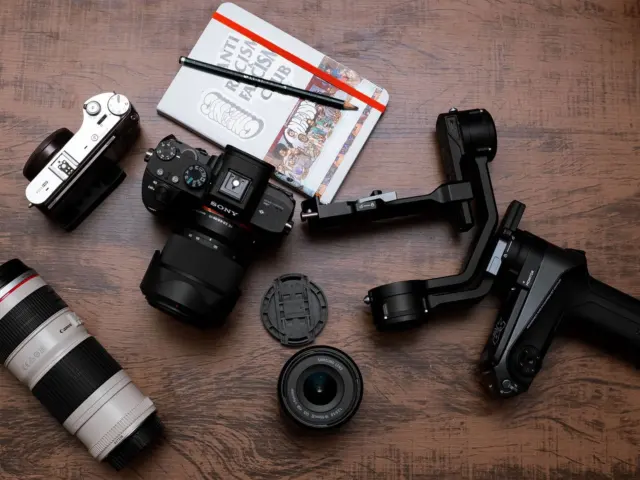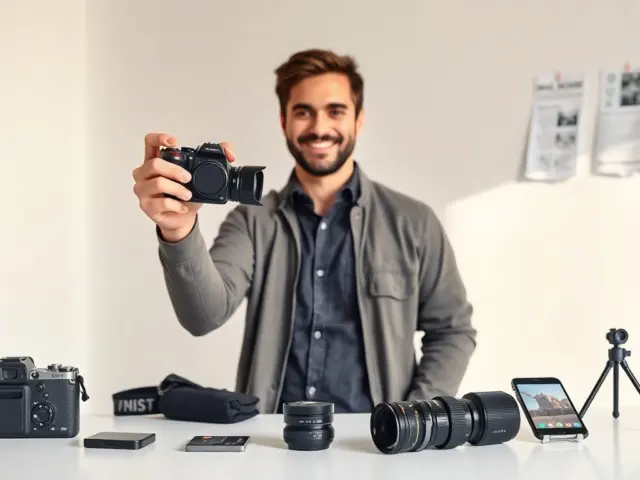
In the dslr vs mirrorless decision, mirrorless suits most new buyers because it is more compact and matches DSLR picture quality, while a used DSLR suits tight budgets. Lens choice should outweigh the body.
Readers still choosing a first body can start with the best camera for beginners, then return here for the technical trade-offs and a checklist.
How the mirror shapes the camera
The core difference between the two camera types is whether light is bounced to a viewfinder by a mirror. Everything else, from size to battery drain, follows from that choice.
DSLR: optical path and mirror box
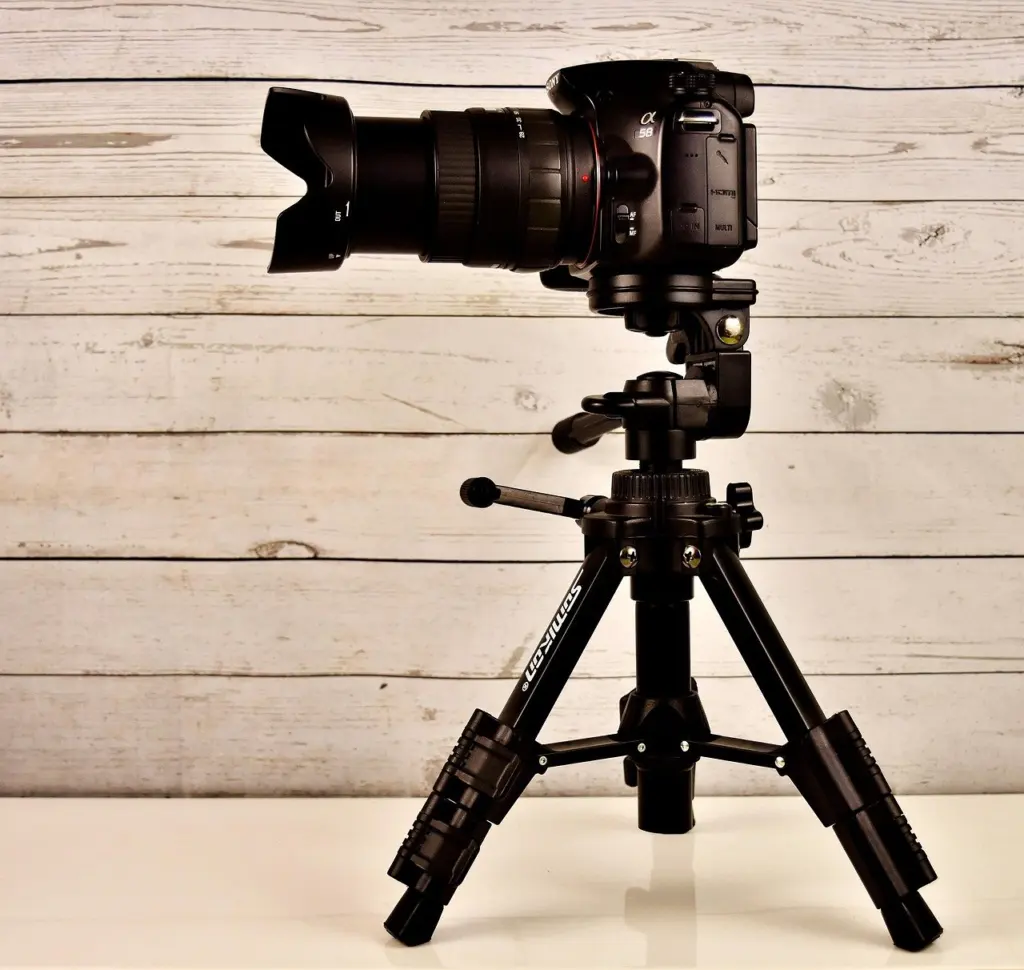
A DSLR has a mirror and prism system that lets you see through the lens via an optical viewfinder. What you see is the real scene, with no processing between your eye and the subject. The optical viewfinder has zero delay, which matters when you follow fast action or simply dislike looking at a screen.
Mirrorless: no mirror, electronic preview
Mirrorless cameras do not need a mirror mechanism to direct light to the viewfinder. Higher-priced models add an electronic viewfinder that previews the shot, so you judge the result before pressing the shutter. The trade-off is that you look at a display rather than directly through the lens, so a viewfinder you like matters more than the spec sheet suggests. Try one in a shop before you commit.
Autofocus, speed and stabilisation
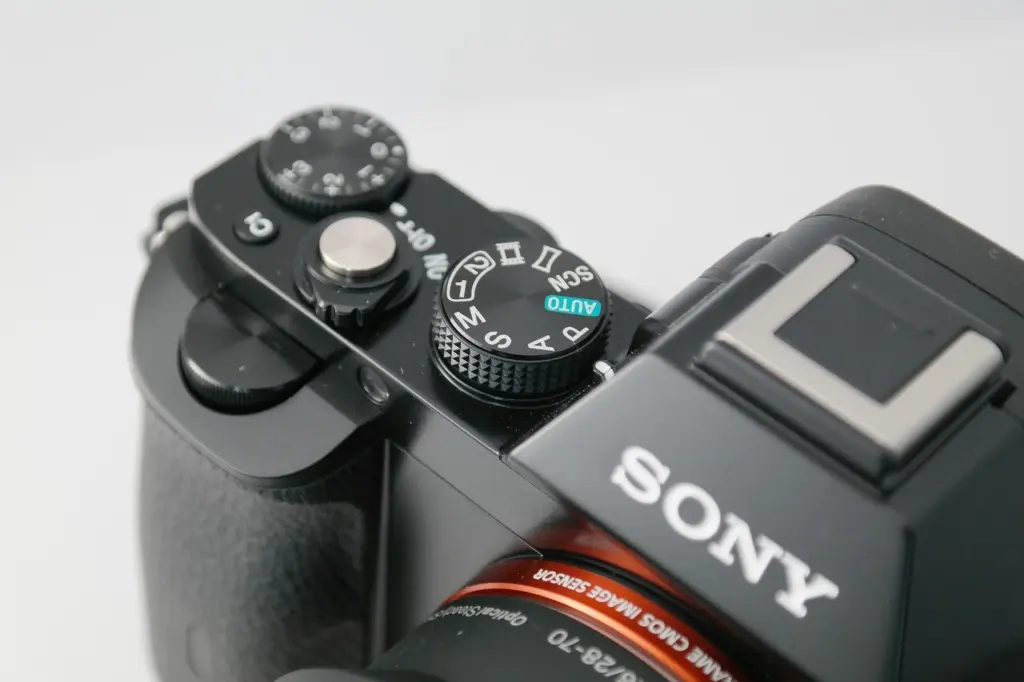
Autofocus is where the mirror had the most practical effect, and autofocus quality is often the deciding factor when people buy a camera.
- DSLR live view: with the mirror up, the dedicated fast-AF sensors cannot be used, so the camera falls back on on-sensor contrast detection. If you shoot mostly through the rear screen or record video on a DSLR, expect slower focusing than through the viewfinder.
- The gap has narrowed: both classes now essentially use phase and contrast detection together, so autofocus alone rarely rules out either type. Test the model you are considering on a subject like yours.
- Burst speed: the mirror limits how quickly a DSLR can fire, while mirrorless systems do not have this limitation and can shoot at much higher frame rates. Sports and wildlife shooters should weigh this against lens availability.
- Stabilisation: DSLRs usually depend on in-lens stabilisation, while mirrorless systems have developed 5-axis in-body stabilisation, according to the same comparison. If you plan to use unstabilised lenses, in-body stabilisation is a real point in mirrorless favour.
Next comes a trade-off where the older design holds its ground: how long a battery lasts and how the camera feels in the hand.
Battery life, noise and handling at a glance
DSLRs usually last longer per charge because they do not have to power a digital display constantly. Neither source gives hours or shot counts, so check the manufacturer’s rated figure for the exact model. If you choose mirrorless and shoot all day, carry a spare battery.
| Feature | DSLR | Mirrorless | Planning use |
|---|---|---|---|
| Viewfinder | Optical, via mirror and prism, with zero delay | Electronic preview on higher-priced models; entry models often have only an LCD | Pick a DSLR for a lag-free view; pick mirrorless if you want to see the shot before taking it |
| Shutter noise and vibration | Mirror movement is part of the design | Very quiet shutter; no vibration from a mirror | Mirrorless suits quiet venues and steady shots |
| Battery life | Usually longer | Usually shorter, because the display runs constantly | Plan a spare battery for mirrorless on long days |
| Size | Bulkier body | More compact build | Mirrorless is easier to carry for travel or casual shooting |
The comparison draws on FinalCheck’s camera guide and Capture and Sell’s DSLR and mirrorless comparison.
Lens mounts and ecosystem
Lens availability often decides the choice more than the body does, because lenses outlast bodies. For a deeper look at choosing optics once you have a system, see Prime Vs Zoom Lenses: How To Choose The Right Lens For Your Photography In 2026.
What DSLR owners get
DSLRs offer a huge range of compatible lenses, including second hand. Buyers also find perfectly good second-hand DSLRs with expansive lens ranges, so a used body plus used lenses is the cheapest way into interchangeable-lens photography.
Using DSLR lenses on mirrorless
Yes, DSLR lenses can often be used on mirrorless bodies with an adapter, but it depends on the brand and mount. Canon is the supported example: on the first EOS R, older EF lenses for DSLRs were well supported via three adapters. Before buying, confirm that your maker offers an adapter for your lenses and that the features you rely on survive the adapter.
Native mirrorless lens choice varies by mount
Newer mounts can start thin. The same writer notes a lack of support from third-party lens manufacturers for Canon’s RF mount at launch, and describes the EOS M mount as known for its great image quality but limited lens range. Before committing to any mirrorless mount, check that it offers the focal lengths you actually shoot, from the maker or third parties.
Is a DSLR still worth buying today?
A DSLR is still worth buying if you are buying used and your budget is the main constraint. It is a poor choice if you want a body that will keep receiving updates.
- Why it can make sense: many photographers begin with an entry-level DSLR for its familiar interface and high durability, and you can often get a great deal on fully functioning used equipment.
- The limits: it has been about half a decade since Canon released its last DSLR, the EOS 850D. There is an obvious lack of firmware updates and support for these older models, plus no new lenses for them.
- Professional use: SLRs continue to be the industry standard option for professional photographers according to that guide, so a DSLR is not a handicap for working photographers who already own the lenses.
Choosing by use case and budget
Match the camera to the job you do most, then to what you can spend, including lenses.
By budget tier
- Tight budget: a used DSLR with second-hand lenses gives the widest choice for the least money. Accept that the body will not get new firmware.
- Mid-range: high-quality mirrorless system cameras cost the same as comparable SLRs, so price rarely argues against mirrorless at this level. Choose the mount with the lenses you need.
- Existing DSLR lenses: if you already own a set of lenses, check for a manufacturer adapter before deciding whether to switch bodies or stay put.
By use case
- Travel and casual shooting: mirrorless, for the more compact build.
- Fast action: mirrorless gives higher frame rates, while a DSLR’s optical viewfinder avoids display delay. Decide which matters more for your subjects.
- Quiet or low-vibration work: mirrorless, because of the very quiet shutter and absent mirror vibration.
- Long days away from power: a DSLR, or mirrorless with spare batteries.
Buying checklist
- List the lenses and focal lengths you need and confirm the mount offers them, new or used.
- Check whether an adapter exists if you own DSLR lenses.
- Try the viewfinder and test autofocus on a subject like yours.
- Look up the rated battery life and decide whether you need spares.
- Handle the body for size and comfort against how you carry it.
- For a used DSLR, accept the lack of firmware updates and new lenses.
Once the camera is chosen, you may want somewhere to show the results, and Big Moments, Bigger Display: The Ultimate Guide To Choosing A Large Digital Photo Frame In 2026 covers that decision.
Frequently asked questions
Is mirrorless better than DSLR?
Not automatically. Modern mirrorless cameras can compete with SLRs on picture quality and features, and comparable models cost about the same, so the deciding factors are viewfinder preference, battery life and lens availability.
Do cheaper mirrorless cameras have a viewfinder?
Often not. The more expensive models have an electronic viewfinder, while entry-level models frequently rely on the rear LCD alone. Check the specification if you want to frame through an eyepiece.
What sensor sizes do these cameras use?
Mirrorless system cameras and comparable SLRs tend to use high-quality APS-C or Micro Four Thirds sensors, so sensor size alone does not separate the two types.
Why choose a DSLR over mirrorless for lasting value?
The case rests on lens range and price. DSLRs have a very large, partly second-hand lens catalogue and low used prices, but older models no longer receive firmware updates or new lenses.