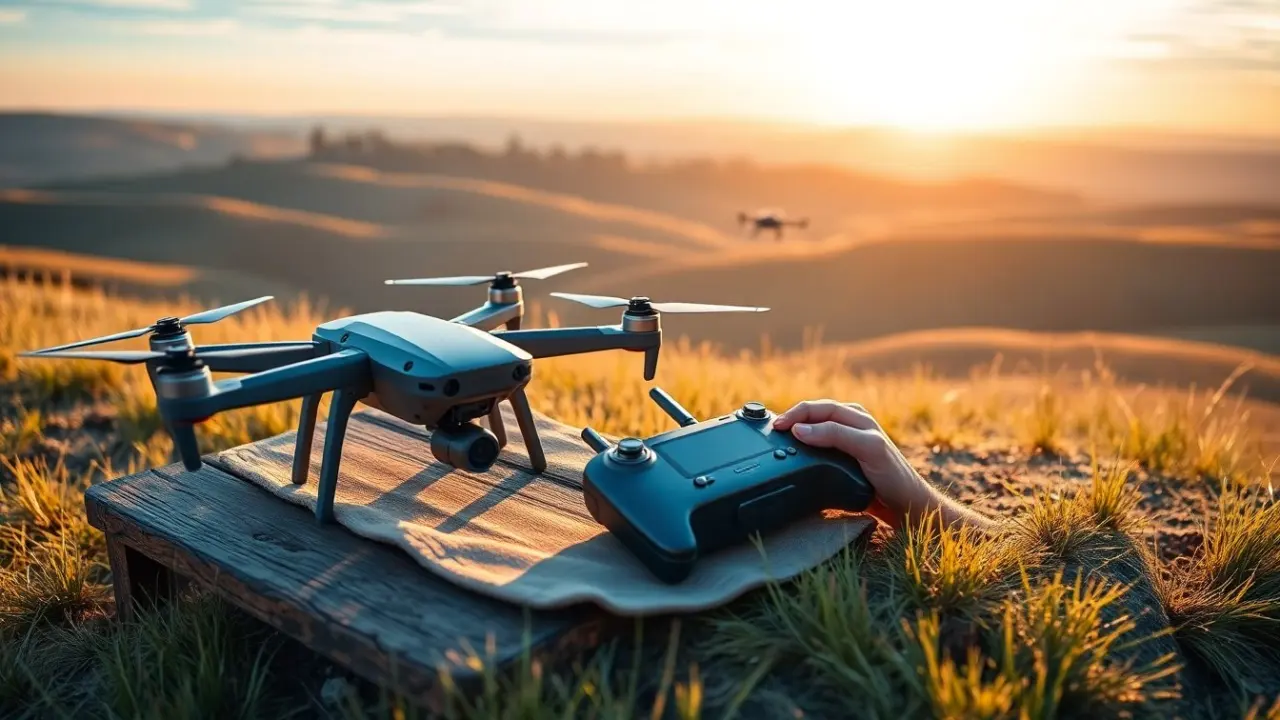
A typical consumer drone can fly between about 2 and 10 miles under ideal conditions, while toy drones often manage only a few hundred feet and specialized commercial systems can exceed tens of miles. The actual distance a drone can travel depends on three different ways range is measured and several real-world limits. Below are quick facts to anchor expectations before the deeper details.
Key Takeaways
- A typical consumer drone can fly between 2 and 10 miles under ideal conditions, with practical range depending on battery life and flight speed.
- Drone range involves three concepts: line-of-sight distance, endurance (flight time), and maximum control distance, all of which affect how far a drone can safely fly.
- Battery capacity, environmental factors, and payload weight majorly impact drone endurance and thus its flying range.
- Using long-range radios, high-gain antennas, and LTE/5G connections can extend a drone’s range, while flight planning in open areas helps maintain signal and line-of-sight.
- Legal regulations often require drones to remain within visual line-of-sight, limiting how far they can fly unless special permissions for beyond visual-line-of-sight flights are obtained.
- Operators should ensure firmware updates, carry spare batteries, and practice staged flights to safely maximize drone flying distance.
How Drone Range Is Defined: Line-Of-Sight, Endurance, And Maximum Distance
Range is not a single number: it’s three related concepts. Line-of-sight (LOS) range refers to how far the pilot can see the aircraft, often required by regulation. Endurance is the flight time a drone can sustain on one battery: multiplied by cruise speed it yields a practical distance. Maximum distance is the farthest point the drone can reach before losing control or returning due to failsafe settings. Manufacturers typically quote a radio-link range under ideal lab conditions: that figure rarely matches real-world LOS or endurance limits.
Typical Range By Drone Type: Toy, Consumer, Prosumer, And Commercial Examples
Toy drones: inexpensive indoor/outdoor toys usually fly 100–500 feet and have 5–15 minute batteries, best for short backyard flights. Consumer drones: popular camera quadcopters commonly achieve 2–10 miles of radio link in ideal conditions and 20–40 minutes flight time, translating to several miles of practical range. Prosumer drones: bigger batteries and advanced radios push practical ranges to 5–15 miles and longer endurance for mapping or inspection tasks. Commercial/industrial systems: with long-range radios, LTE/5G links, or tethered power, some platforms reach tens of miles or persistent flight when tethered: those are used for surveying, telecom, or public-safety missions.
Key Factors That Limit How Far Your Drone Can Fly
Several technical and environmental factors determine real-world range. The two subtopics below break the biggest constraints into digestible pieces.
Battery Capacity, Efficiency, And Flight Time (How They Translate To Range)
Battery capacity (mAh/Wh) and the drone’s power draw set endurance. Heavier payloads, windy conditions, aggressive maneuvers, and cold temperatures increase power consumption and reduce flight time. Cruise speed matters: a drone that flies faster covers more distance per minute but usually burns more power. Pilots can estimate range by multiplying realistic flight time (reserve included) by cruise speed, but should always factor in reserves for return and contingencies.
Practical Ways To Extend Range Safely: Flight Planning, Equipment, And Settings
Flight planning: choose open corridors, higher launch points, and avoid urban clutter to preserve line-of-sight and signal integrity. Equipment: using high-gain antennas, approved long-range radios, or LTE/5G-enabled systems increases link distance: tethered systems provide continuous power and effectively remove endurance limits. Settings: lower video bitrate, enable telemetry compression where supported, and set conservative geofence and fail-safe distances to avoid surprises. Always carry spare batteries, pre-check firmware, and practice staged flights rather than attempting maximum-range flights on a first test.
Legal, Safety, And Insurance Limits: Regulations That Restrict Distance
Many jurisdictions mandate visual line-of-sight (VLOS) operations for unmanned aircraft without special waivers, which limits how far a pilot can legally fly. Beyond visual-line-of-sight (BVLOS) flights require regulatory approvals, specific equipment (detect-and-avoid, redundant comms), and often operational approvals from aviation authorities. Insurance policies may exclude long-range BVLOS flights unless the operator holds appropriate certifications. For commercial pilots, waivers or operations approvals normally include strict operational mitigations and documented risk assessments.
Frequently Asked Questions about Drone Flight Distance
How far can a typical consumer drone fly under ideal conditions?
A typical consumer drone can fly between about 2 and 10 miles under ideal conditions, depending on factors like battery life and signal strength.
What factors affect the actual flight range of a drone?
Drone range is influenced by battery capacity, power consumption, environmental conditions like wind and temperature, flight speed, and obstacles affecting signal line-of-sight.
What is the difference between line-of-sight range and maximum drone range?
Line-of-sight range is how far the pilot can visually see the drone, while maximum range is the farthest distance the drone can reach before losing control or triggering failsafe returns.
How can I safely extend the flight range of my drone?
To extend drone range safely, plan flights in open areas, use high-gain antennas or LTE/5G systems, lower video bitrates, enable telemetry compression, and set conservative fail-safes while carrying spare batteries.
Are there legal restrictions on how far I can fly a drone?
Yes, most regulations require drones to be flown within visual line-of-sight unless you have special approvals. Beyond visual-line-of-sight flights require permits, certified equipment, and risk assessments.