Sunset shots keep coming out soft. What is a tripod, and will it fix that? Yes, when the blur comes from camera movement: a tripod is a camera support that holds frames steady for long exposures, heavy lenses and matched shots.
Tripod choice follows the camera, so if you are still picking a body, read our best camera for beginners advice first. The sections below take the usual misunderstandings in turn: what the parts do, what a tripod is really for, which material to buy, how to size one and whether a phone can use it.
Tripod parts and the job each one does
A tripod is, in the Cambridge Dictionary’s wording, a support with three legs for a piece of equipment such as a camera. Most camera tripods are made up of three legs, a center column and a head, according to Neewer’s tripod guide. The common mistake is to treat the legs as the whole story. The legs provide the stable base, but the head decides how you aim and the quick-release plate decides how the camera attaches. The idea is not limited to cameras either: Johnson Level describes a tripod as a three-legged stand that provides the foundation for laser levels.
| Part | What it does | Planning use |
|---|---|---|
| Legs | Form the three-legged support that stabilizes the camera and reduces unwanted movement during shooting | Pick the legs for the shake you need to remove: heavy lenses, long exposures or both |
| Center column | Part of the standard build alongside the legs and the head | Treat it as an optional height extra rather than the main source of height |
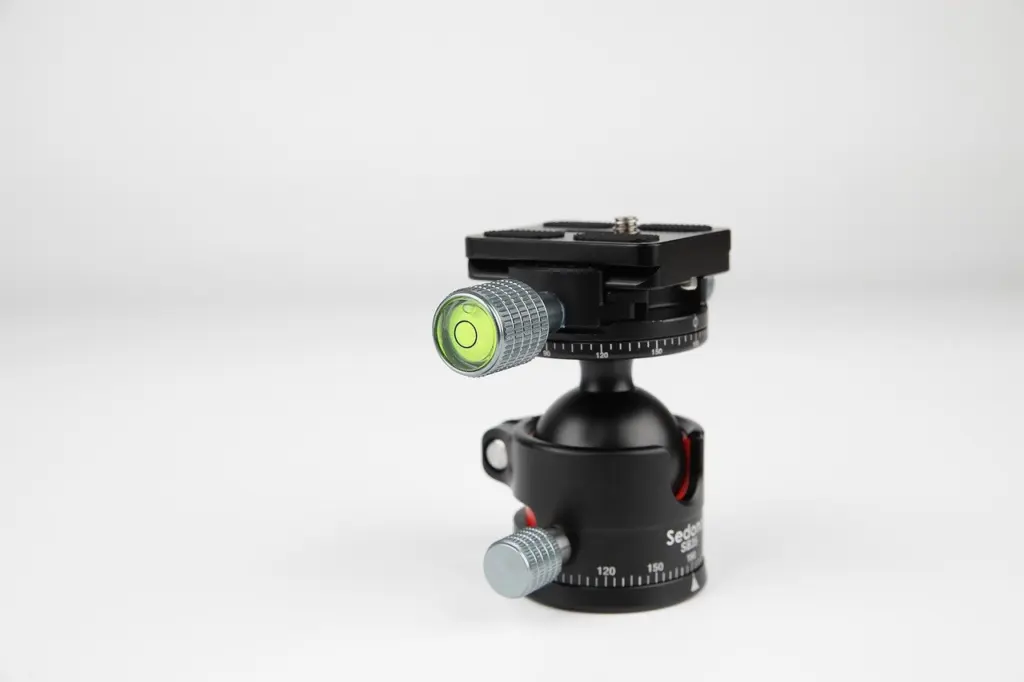
| Ball head | Allows fast camera positioning in any direction | Suits stills, where you reframe often |
| Fluid head | Lets the camera pan left and right or tilt up and down | Suits shots that follow movement or sweep across a scene |
| Pan and tilt locks | Lock the tripod into a position for a static shot | Use them once the framing is final |
| Quick-release plate | Connects the head to the camera | Choose a head and plate that fit together so the camera can be mounted and removed without fuss |
Part functions here follow Neewer and StudioBinder.
Heads are where most buying mistakes happen. A ball head is the quicker tool for still photography because one movement points the camera almost anywhere. A fluid head trades that speed for controlled pans and tilts, so it belongs on a tripod used for video or for following a subject. The locks matter on either type, because a locked head is what holds a static composition while you work on exposure.
What a tripod is used for
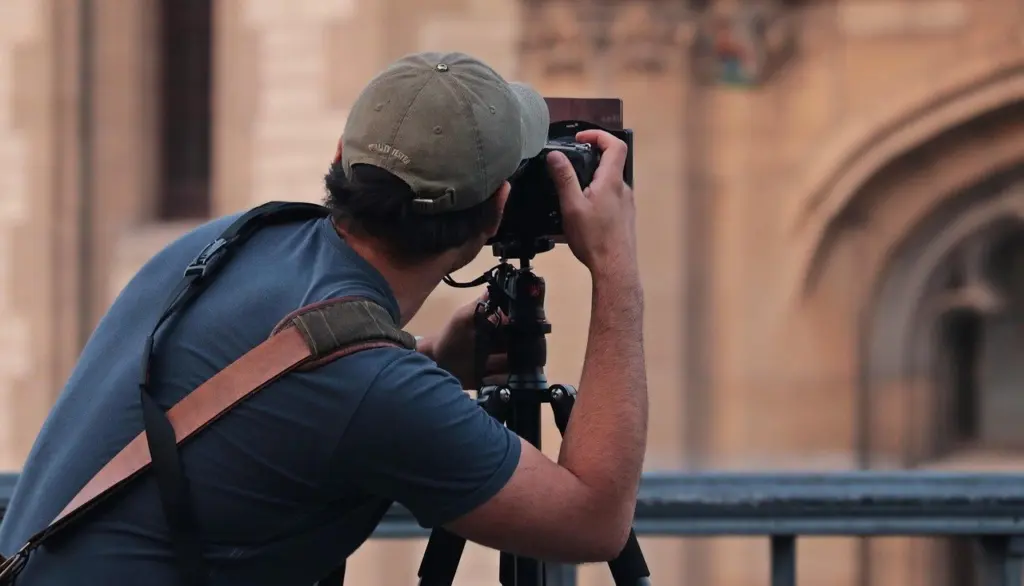
A tripod is not only for night photography. It solves any problem where the camera must stay exactly where you put it, and several of those problems happen in daylight.
- Heavy cameras and long lenses. Neewer notes that handheld shooting with heavy cameras and telephoto lenses can be difficult and can result in blurriness. A tripod takes the weight off your hands. Our guide to Telephoto Lenses Explained: How They Work, When To Use Them, And How To Get Sharp Results In 2026 shows why long lenses magnify the problem.
- Long exposures. Starry skies, night cityscapes and motion effects all need long exposures, and a stable support lets photographers use slower shutter speeds, as StudioBinder explains.
- Matched frames. Focus stacking and HDR bracketing must be made from a sturdy tripod, because otherwise the separate frames will not perfectly match, according to Photzy.
- Static and moving shots. Locks hold a position for a static shot, while a fluid head provides smooth pans and tilts.
The practical rule: if a shot depends on a slow shutter speed, a long lens or several frames lining up, bring the tripod. If you are shooting quick handheld scenes in good light, it is extra weight.
Carbon fiber or aluminum tripod?
Neither is automatically better. The material changes weight, strength and price, and the right choice depends on how far you carry the tripod and what you spend.
- Carbon fiber. Photzy describes carbon fiber as lighter and stronger than aluminum, with higher cost as the downside. It suits people who walk long distances with their kit.
- Aluminum. Johnson Level calls aluminum the lightweight and sturdy choice. It is also lighter and stronger than wood, which is why it became the standard before carbon fiber arrived. It suits buyers who want solid support without the carbon premium.
- Steel. Johnson Level says steel is typically the most durable option and also the heaviest, which makes it a poor match for anything you carry.
Compare rated load and packed weight for the specific model rather than assuming either from the material name. A well-made aluminum tripod that you actually carry beats a carbon one left at home, and a carbon one is worth the money only if weight is the reason you skip the tripod.
Choosing a tripod for your camera
Start with the load rating
Begin with the combined weight of your biggest body and lens combination, advises Photzy, then buy a tripod rated above it. The Photzy author’s heaviest setup weighs 3 pounds (~1.36 kg), yet they look for a rating of at least 10 pounds because they like a generous margin. Treat that as one photographer’s preference rather than a rule: it shows how much headroom some buyers want, not a minimum. If you are buying a first camera and tripod together, our Best Camera For Photography Beginners: The 2026 Buyer’s Guide To Start Shooting Confidently helps you settle the body weight before you size the support.
Leg sections and the center column
Photzy points out that the more joints a leg has, the weaker it is, so travel tripods with many sections compromise strength for packed size. Choose fewer sections when stability matters more than portability.
The center column is the other place stability leaks away. Photzy says you should never use more than 2/3 of the center column on any tripod, because beyond that the tripod becomes no steadier than a monopod. Raise the legs first and use the column only for the final adjustment.
Travel tripods
A tripod that folds small is easy to carry, but the sectioned legs described above are the price. Pick one only if you will really walk with it, and keep the load well inside its rating.
Using a tripod with a smartphone
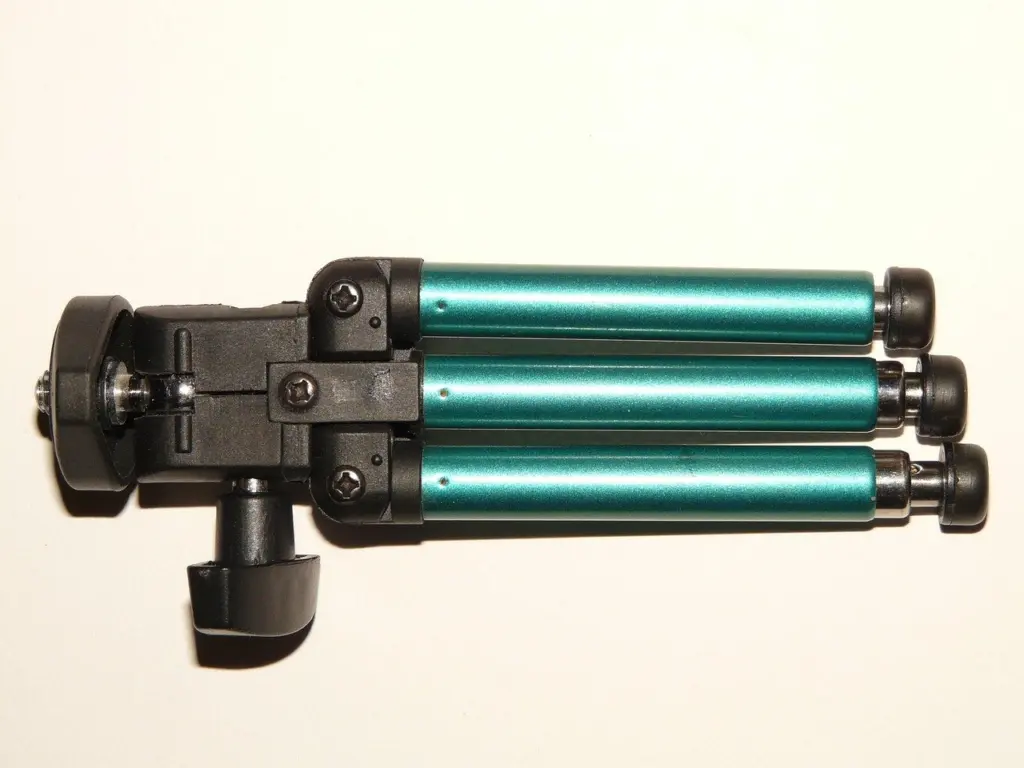
Yes, a smartphone can use a tripod, and the best fit is usually a small one. Neewer lists tabletop tripods as having very short legs, suitable for compact cameras or smartphones. It describes mini tripods as smaller with fewer adjustable features, but easy to carry and store.
That makes a tabletop or mini model the sensible starting point for phone video, low-light phone shots and self-timer photos. You give up height and adjustment, so a full-size tripod only makes sense if you also shoot with a camera. Check how the phone attaches to the head before buying, since the mounting method is what decides whether the phone is held securely.
Frequently asked questions
| Question | Answer |
|---|---|
| Why does a tripod have three legs rather than four? | Three legs stay stable on uneven ground. Photzy notes that with four legs a tripod would be as wobbly as any four-legged table. |
| Can a monopod replace a tripod? | Only when mobility matters more than steadiness. Neewer describes a monopod as lightweight and easy to carry, but offering less stability than a tripod. |
| Why do quick-release plates exist? | Without one, mounting a camera meant screwing in the 1/4 x 20 screw and tightening the collar, as Photzy recounts. The plate now connects head and camera. |
| Do wood or fiberglass legs have any advantage? | Johnson Level credits wood and fiberglass with a lack of sensitivity to changes in temperature. Photzy adds that wood tripods were sturdy but heavy. |